
Liposuction Malaysia: A Guide to the Procedure and Recovery
Liposuction Malaysia: A Guide to the Procedure and Recovery
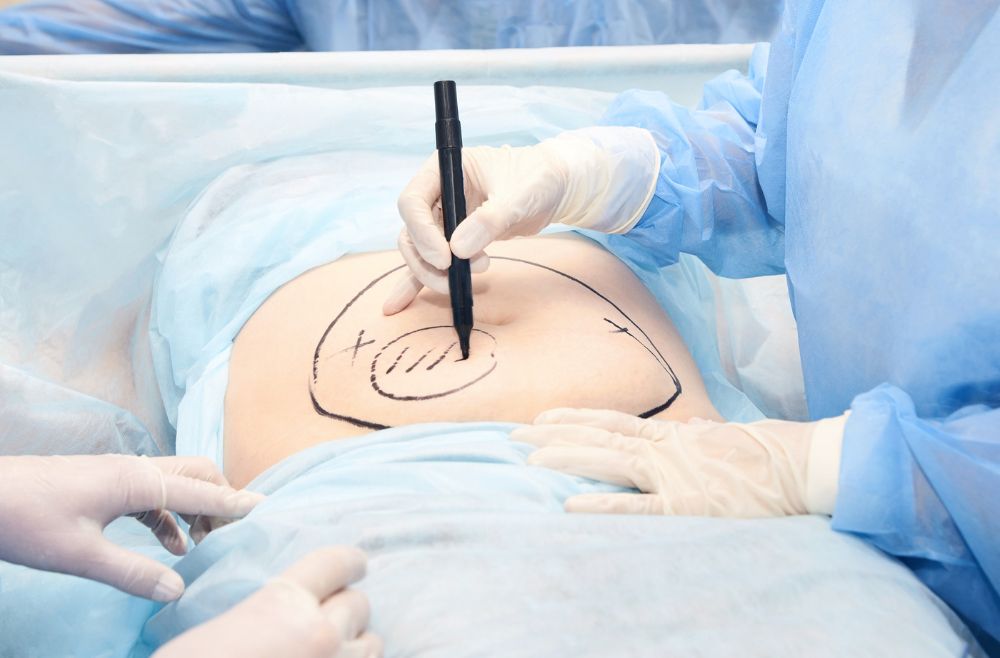
Liposuction is a cosmetic surgical procedure designed to remove excess fat from specific areas of the body. It is generally used to improve body contours rather than serve as a primary weight-loss treatment. People considering liposuction should understand the procedure, preparation, recovery process, potential risks, and expected results before making a decision.
For those considering liposuction in Malaysia, choosing a qualified surgeon and suitable medical facility is an important part of the process. A consultation allows patients to discuss their goals, understand available treatment options, and determine whether liposuction is appropriate for their individual circumstances.
What Is Liposuction?
Liposuction involves removing fat from selected areas of the body using specialised surgical techniques. The procedure can target areas where localised fat remains despite diet and exercise.
Common treatment areas may include:
- Abdomen: Reduces localised fat around the stomach area.
- Thighs: Targets excess fat on the inner or outer thighs.
- Hips and Flanks: Helps improve the appearance of the waist and surrounding areas.
- Arms: Removes selected areas of unwanted fat.
- Back: Addresses localised fat deposits around the back.
- Chin and Neck: May be used to improve the contour of these areas.
The areas that can be treated depend on the patient’s anatomy, goals, overall health, and the surgeon’s assessment.
Who May Consider Liposuction?
Liposuction may be suitable for adults seeking to reduce localised fat deposits and enhance the contours of specific areas of the body. It is generally not intended to replace a healthy diet, regular exercise, or weight-management programme.
A suitable candidate may have:
- Stable or relatively stable body weight.
- Localised areas of excess fat.
- Realistic expectations about the outcome.
- Good general health for surgery.
- An understanding of the recovery process.
- A willingness to follow preoperative and postoperative instructions.
Suitability should be determined by a qualified medical professional based on the patient’s individual circumstances.
What Happens During a Liposuction Procedure?
The exact technique used for liposuction can vary depending on the treatment area, amount of fat being removed, and the surgeon’s approach.
Before surgery, the surgeon normally discusses the treatment plan and marks the areas to be treated. Anaesthesia is then provided according to the planned procedure and the patient’s needs.
During liposuction, small incisions are made in selected areas. A thin tube called a cannula may then be used to loosen and remove fat from beneath the skin.
The procedure may involve:
- Consultation: Discuss goals, medical history, and treatment options.
- Treatment Planning: Identify areas to be treated.
- Anaesthesia: Use an appropriate form of anaesthesia.
- Fat Removal: Remove targeted fat through small incisions.
- Monitoring: Monitor the patient during and after the procedure.
- Postoperative Care: Provide instructions for recovery and follow-up.
The duration of surgery depends on the number and size of treatment areas and the complexity of the procedure.
Preparing for Liposuction
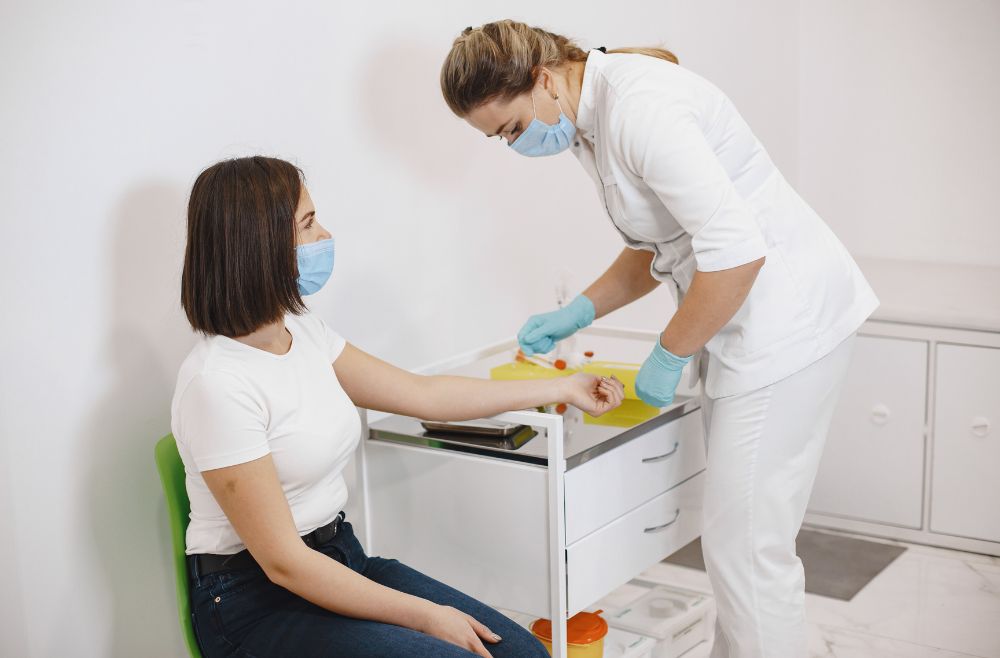
Proper preparation can help patients understand what to expect and follow appropriate medical instructions before surgery.
Patients may be advised to:
- Provide a complete medical history.
- Inform the surgeon about current medications and supplements.
- Report allergies and previous surgical procedures.
- Follow instructions regarding food and drinks before surgery.
- Arrange transportation and assistance after the procedure.
- Prepare suitable clothing and recovery arrangements.
- Attend any recommended medical assessments.
Patients should follow their surgeon’s recommendations because preparation needs may vary based on the procedure and individual circumstances.
What Is Recovery Like?
Recovery after liposuction varies depending on the amount of fat removed, treatment areas, surgical technique, and individual healing.
Swelling, bruising, soreness, and temporary changes in sensation may occur during the early recovery period. Some patients may also need to wear compression garments as instructed by their surgeon.
Recovery may involve:
- Rest: Allow the body time to recover after surgery.
- Compression Garments: Follow medical guidance on when and how to wear them.
- Medication: Use prescribed medication as directed.
- Wound Care: Follow instructions for caring for incision sites.
- Movement: Begin light movement when advised.
- Follow-Up: Attend scheduled appointments.
Patients should avoid strenuous activities until their surgeon confirms they can safely resume them.
When Will Results Become Visible?
Liposuction results are not always immediately visible because swelling can affect the appearance of treated areas. The body needs time to heal and for postoperative swelling to decrease.
The final appearance can develop gradually over the following weeks or months. Individual results may vary based on factors such as skin elasticity, the amount of fat removed, healing, and lifestyle.
Patients should therefore avoid judging the final result too early in the recovery process.
Potential Risks and Complications
Like other surgical procedures, liposuction carries potential risks. Patients should discuss these risks with their surgeon before treatment.
Possible complications may include:
- Bleeding or infection.
- Swelling and bruising.
- Temporary or persistent changes in sensation.
- Irregular contours or asymmetry.
- Fluid accumulation.
- Scarring.
- Reactions to anaesthesia.
- Blood clots or other medical complications.
The level of risk depends on the individual patient, procedure, treatment area, and other factors. Patients should seek medical attention if they experience concerning symptoms after surgery.
Maintaining Liposuction Results
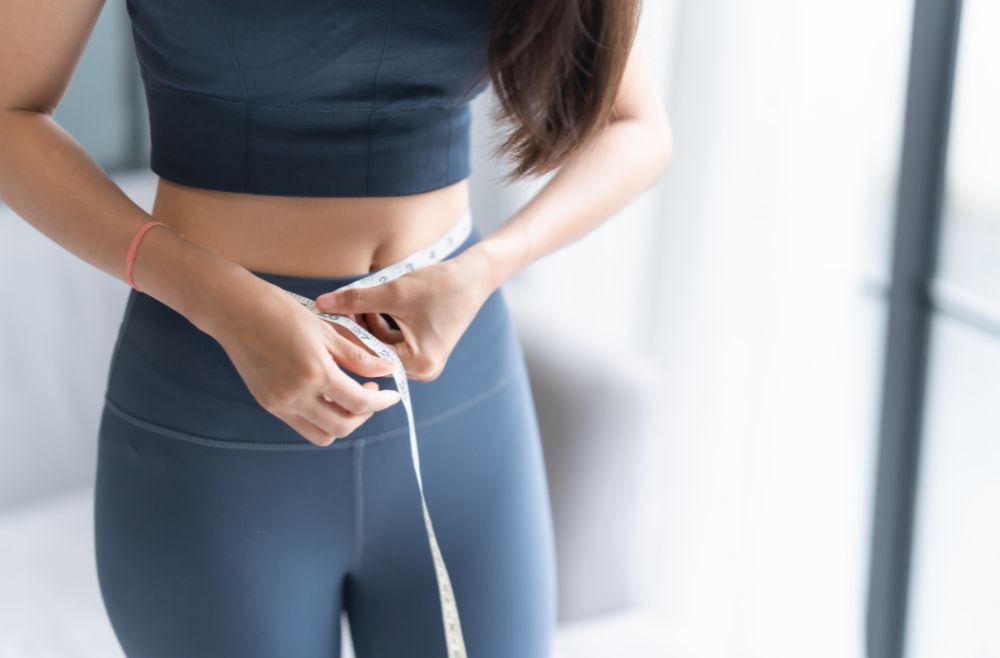
Liposuction permanently removes fat cells from the treated areas, but remaining fat cells can still increase in size if a person gains weight. Maintaining a stable weight can therefore help preserve the body contours achieved through the procedure.
Patients can support their results by:
- Maintaining a balanced diet.
- Staying physically active when medically cleared.
- Managing long-term weight.
- Following postoperative recommendations.
- Attending follow-up appointments when required.
Liposuction should not be viewed as a substitute for healthy lifestyle habits.
Choosing a Liposuction Surgeon in Malaysia
Selecting an appropriate surgeon is an important consideration when researching liposuction in Malaysia. Patients should look beyond price and promotional claims and focus on qualifications, experience, facilities, consultation quality, and postoperative care.
Consider asking:
- Qualifications: Is the surgeon appropriately qualified and registered?
- Experience: How experienced is the surgeon with the planned procedure?
- Treatment Plan: Why is liposuction suitable for the targeted areas?
- Risks: What potential complications should be considered?
- Facility: Where will the procedure be performed?
- Recovery: What recovery period and aftercare should be expected?
- Costs: What is included in the total treatment cost?
- Follow-Up: What postoperative appointments and support are provided?
A detailed consultation can help patients understand whether the procedure and treatment plan are suitable for their goals.
Conclusion
Liposuction Malaysia can be an option for people seeking to reduce localized fat and improve specific body contours. Understanding the procedure, preparation, recovery, potential risks, and expected results is important before deciding to proceed.
Patients should consult a qualified surgeon, provide accurate medical information, discuss their goals, and ask questions about the proposed treatment. Taking time to understand the procedure and recovery process can help patients establish realistic expectations and make informed decisions about their cosmetic treatment.




Copyright © 2024 Yeoh Plastic & Reconstructive Surgery Website Developed by Dreamit Real Solutions