
How Liposuction Surgery Works and Who It Is For
How Liposuction Surgery Works and Who It Is For

Liposuction surgery is one of the most commonly performed cosmetic procedures worldwide. It is designed to remove stubborn fat deposits that do not respond well to diet and exercise. While it is often associated with body contouring and aesthetic enhancement, liposuction is not a weight-loss solution. Instead, it helps reshape specific areas of the body for a more balanced and proportionate appearance.
This article explains how liposuction works, the different techniques used, who is suitable for the procedure, what to expect during recovery, and the key risks and benefits to consider before making a decision.
What Is Liposuction Surgery?
Liposuction is a surgical procedure that removes excess fat cells from targeted areas of the body using a suction technique. It is commonly performed on areas where fat tends to accumulate, such as:
- Abdomen
- Thighs
- Hips
- Buttocks
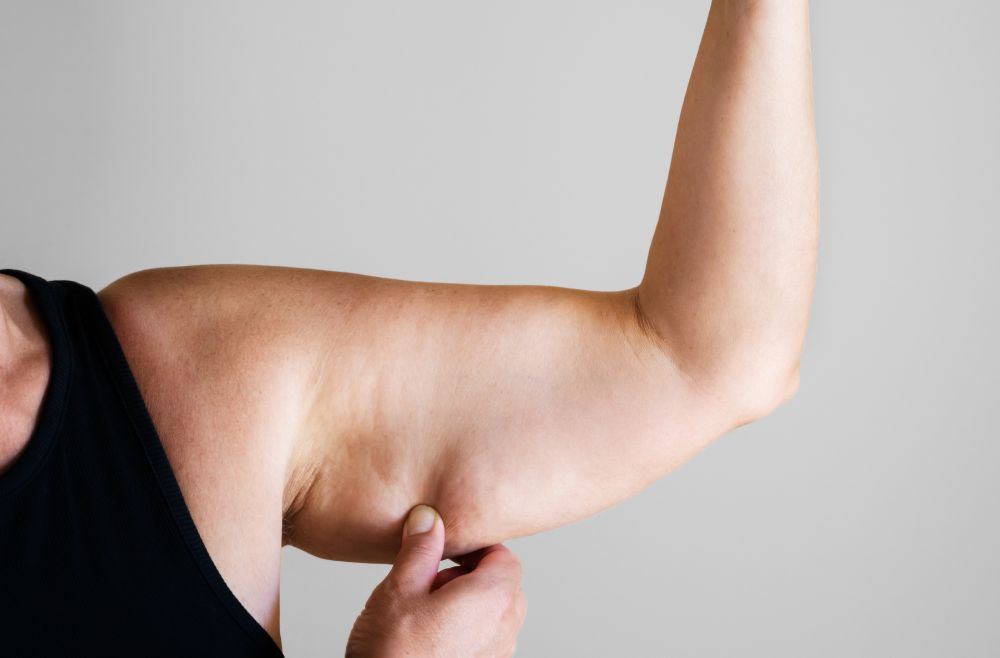
- Upper arms
- Back
- Chin and neck
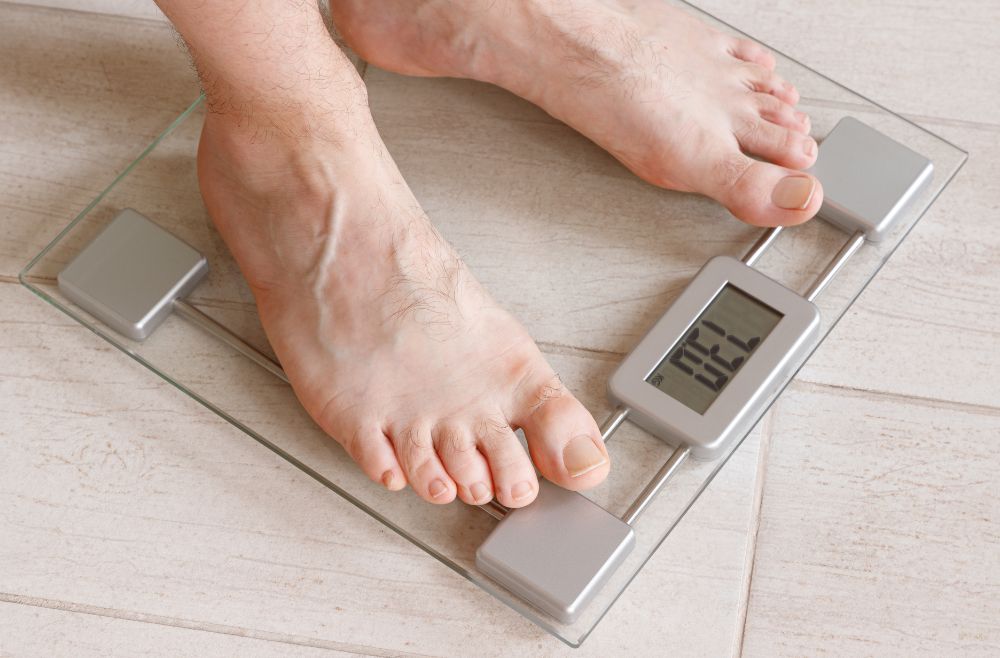
The goal of liposuction is to improve body contour, not significantly to reduce body weight. It is best suited for individuals who are already close to their ideal weight but struggle with localized fat deposits.
How Liposuction Works
Liposuction involves breaking down and removing fat cells from beneath the skin. The procedure is usually performed under local anesthesia with sedation or general anesthesia, depending on the treatment area and amount of fat being removed.
Step-by-step process:
- Marking the treatment area: The surgeon marks the targeted fat areas while the patient is standing to ensure symmetry.
- Anesthesia administration: Local or general anesthesia is used to ensure comfort during the procedure.
- Tumescent fluid injection: A sterile solution containing saline, anesthetic, and epinephrine is injected to minimize bleeding and facilitate easier fat removal.
- Fat removal: A thin tube called a cannula is inserted through small incisions to loosen and suction out fat cells.
- Shaping and contouring: The surgeon carefully sculpts the area to achieve a smooth and natural appearance.
- Closing the incisions: Small incisions are either closed with stitches or left to heal naturally, depending on size.
Different Types of Liposuction Techniques
There are several liposuction methods available, each with its own advantages depending on the patient’s needs.
1. Tumescent Liposuction
- Most common technique
- Uses fluid injection to minimize pain and bleeding
- Allows precise fat removal
2. Ultrasound-Assisted Liposuction (UAL)
- Uses ultrasound energy to liquefy fat
- Helpful for dense or fibrous fat areas
- Often used in the back or male chest areas
3. Laser-Assisted Liposuction (LAL)
- Uses laser energy to melt fat cells
- May help tighten skin slightly
- Suitable for smaller areas like the chin or arms
4. Power-Assisted Liposuction (PAL)
- Uses a vibrating cannula for easier fat removal
- Reduces surgeon fatigue
- Allows more efficient fat extraction
Each technique is selected based on body type, fat distribution, and desired results.
Who Is a Good Candidate for Liposuction?
Liposuction is not suitable for everyone. A proper consultation with a qualified surgeon is necessary to determine eligibility.
You may be a good candidate if you:
- Have stubborn fat deposits resistant to diet and exercise
- Are within 30% of your ideal body weight
- Have good skin elasticity
- Are in good overall health
- Do not smoke or are willing to quit before surgery
- Have realistic expectations about results
Liposuction is not recommended for individuals who are significantly overweight or looking for a quick weight-loss solution.
Who Is Not Suitable for Liposuction?
You may not be suitable for liposuction if you:
- Have poor skin elasticity or significant sagging
- Are you pregnant or breastfeeding
- Have serious medical conditions that affect healing
- Have unrealistic expectations about body transformation
- Are seeking treatment for obesity rather than contouring
In such cases, alternative treatments such as weight management programs or skin-tightening procedures may be recommended.
Benefits of Liposuction Surgery
Liposuction offers several physical and psychological benefits when performed on suitable candidates.
Key benefits include:
- Improved body contour and shape
- Removal of stubborn fat deposits
- Enhanced proportion and symmetry
- Long-lasting results (fat cells are permanently removed)
- Boost in self-confidence and body image
- Better fit in clothing
It is important to note that maintaining results requires a stable weight and a healthy lifestyle after surgery.
Recovery Process After Liposuction
Recovery varies depending on the amount of fat removed and the areas treated. Most patients experience mild to moderate discomfort in the first few days.
First few days:
- Swelling, bruising, and soreness
- Compression garments are worn to reduce swelling
- Pain medication may be prescribed
First 1–2 weeks:
- Gradual reduction in discomfort
- Light activities can be resumed
- Stitches (if any) may be removed
3–6 weeks:
- Swelling continues to decrease
- More visible contour improvements
- Normal daily activities resumed
Full recovery:
- Final results appear after 3–6 months
- Skin adjusts to a new body shape
Wearing compression garments as instructed is essential for optimal healing and results.
Risks and Side Effects
Like any surgical procedure, liposuction carries potential risks. While complications are uncommon, they should be considered carefully.
Possible risks include:
- Swelling and bruising
- Infection
- Irregular contours or asymmetry
- Temporary numbness
- Fluid accumulation
- Scarring (usually minimal)
- Blood clots (rare)
Choosing an experienced and qualified surgeon significantly reduces these risks.
Preparing for Liposuction Surgery
Proper preparation helps ensure a smooth procedure and recovery process.
Before surgery, patients are usually advised to:
- Avoid blood-thinning medications
- Stop smoking at least 2–4 weeks prior
- Maintain a stable weight
- Stay hydrated and healthy
- Arrange transportation after surgery
- Follow fasting instructions if required
A thorough consultation and medical evaluation are essential before proceeding.
Results and Longevity
Liposuction provides long-lasting results because fat cells are permanently removed. However, remaining fat cells can still expand if weight is gained.
To maintain results:
- Follow a balanced diet
- Exercise regularly
- Avoid significant weight fluctuations
- Maintain a healthy lifestyle
Patients who maintain their weight typically enjoy long-term improvements in body contour.
Liposuction vs Non-Surgical Fat Reduction
Non-surgical treatments like cryolipolysis or radiofrequency fat reduction are sometimes marketed as alternatives to liposuction. However, they differ significantly.
Liposuction:
- Surgical and more invasive
- Immediate and dramatic results
- Removes larger amounts of fat
Non-surgical treatments:
- Non-invasive
- Gradual results over time
- Suitable for small fat reduction
Liposuction remains the preferred option for more noticeable and precise body sculpting.
Final Thoughts
Liposuction surgery is an effective solution for individuals who struggle with stubborn fat deposits and want a more sculpted body shape. It works by permanently removing fat cells from targeted areas, helping patients achieve better body proportions and improved confidence.
However, it is not a substitute for weight loss or a healthy lifestyle. The best candidates are those who are already close to their ideal body weight and are simply seeking refinement in specific areas.
Understanding how the procedure works, who it is for, and what to expect during recovery is essential before making a decision. With proper planning and a qualified surgeon, liposuction can deliver safe, natural-looking, and long-lasting results.