
Questions to Ask Before Choosing a Plastic Surgeon in Malaysia
Questions to Ask Before Choosing a Plastic Surgeon in Malaysia
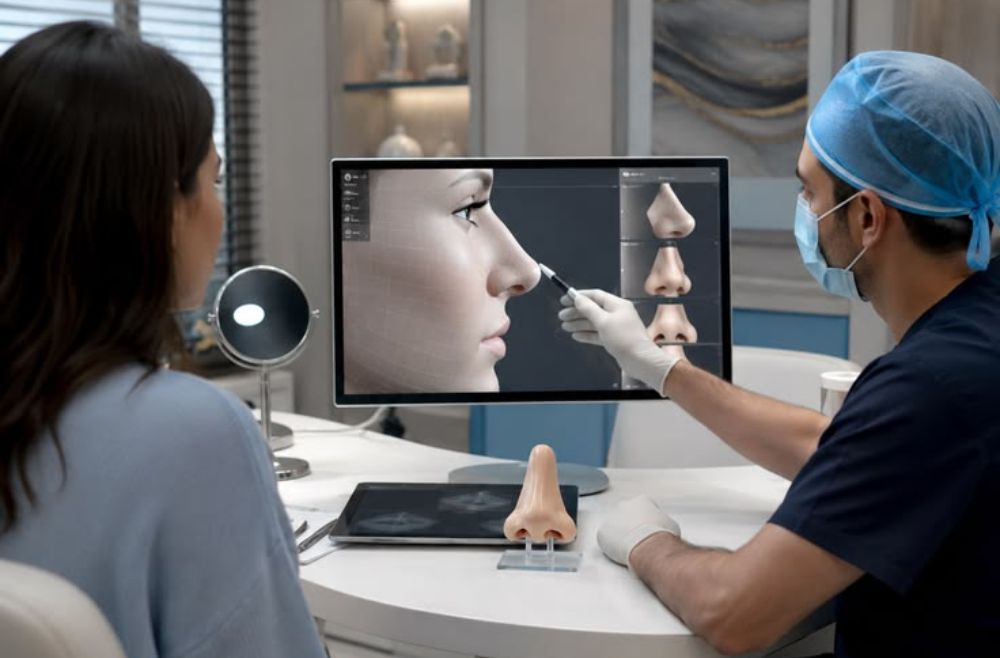
Choosing a plastic surgeon is an important decision because each procedure involves different techniques, risks, recovery periods, and expected results. Understanding the surgeon’s qualifications, experience, and recommended procedure can help patients make informed decisions.
When choosing a plastic surgeon in Malaysia, patients should look beyond reviews and promotional claims. Asking clear questions during a consultation can help them understand the surgeon’s experience, treatment options, potential risks, costs, and recovery process.
Is the Surgeon Properly Qualified?
One of the first questions to ask is whether the surgeon has the appropriate medical qualifications and specialist training for the procedure being considered.
Patients can ask about:
- Medical Qualifications: Where the surgeon completed their medical education.
- Specialist Training: Their specialist qualifications and surgical training.
- Professional Registration: Whether they are appropriately registered to practise in Malaysia.
- Relevant Expertise: Their experience with the specific procedure being considered.
- Professional Memberships: Any relevant professional organizations or associations.
Patients should verify important credentials through appropriate official or professional sources where possible.
How Much Experience Does the Surgeon Have with the Procedure?
Plastic surgery includes many different procedures, and experience with one type of surgery does not necessarily mean extensive experience with another.
Ask the surgeon:
- How frequently do you perform this procedure?
- How long have you been performing it?
- What types of patients commonly undergo this procedure?
- What techniques do you commonly use?
- What factors determine which technique is appropriate?
A surgeon should be able to explain their experience clearly and discuss why a particular approach may or may not be suitable.
What Procedure Is Being Recommended?
Patients should understand the recommended procedure and why it suits their situation.
Ask about:
- Procedure: Name, purpose, and how it is performed.
- Reason: Why it is recommended.
- Alternatives: Other procedures or non-surgical options.
- Additional Procedures: Whether further treatment may be needed.
Understanding the recommendation can help patients make informed decisions based on their goals and circumstances.
What Results Can Reasonably Be Expected?
Patients should have realistic expectations about the outcome of cosmetic or reconstructive surgery. Results can vary between individuals due to factors such as anatomy, skin characteristics, age, lifestyle, healing, and the surgical technique used.
Ask:
- What changes can realistically be expected?
- How long will it take to see the final result?
- Could the outcome differ from expectations?
- What factors may affect the result?
- Will the results change over time?
A consultation should provide a balanced discussion of potential benefits and limitations rather than focusing only on the desired outcome.

What Are the Potential Risks and Complications?
Every surgical procedure carries potential risks, so patients should understand them before treatment.
Ask about:
- Common Risks: Possible risks and complications.
- Personal Risks: Factors related to medical history.
- Risk Reduction: Steps to reduce potential risks.
- Warning Signs: Symptoms requiring medical attention.
- Complications: How complications will be managed.
Patients should provide accurate information about their medical history, medications, allergies, previous surgeries, and other relevant health information.
What Type of Anaesthesia Will Be Used?
The type of anaesthesia or sedation used can depend on the procedure and individual circumstances.
Patients can ask:
- What type of anaesthesia will be used?
- Who will administer the anaesthesia?
- Where will the procedure take place?
- What monitoring will be provided during surgery?
- How long will recovery from anaesthesia take?
Understanding the arrangements can help patients prepare for the procedure and recovery period.
Where Will the Surgery Be Performed?
The procedure location is an important consideration. Patients should confirm that the facility is suitable and properly equipped.
Ask about:
- Facility: Hospital, clinic, or surgical centre.
- Equipment: Suitability for the procedure.
- Emergency Care: Available emergency arrangements.
- Medical Team: Who will be present during surgery.
- Unexpected Issues: How medical complications are handled.
What Does Recovery Involve?
Recovery depends on the procedure, so patients should understand the expected recovery process beforehand.
Ask about:
- Downtime: Expected recovery period.
- Discomfort: Pain, swelling, or bruising.
- Aftercare: Wound care and medication.
- Follow-Up: Required appointments.
- Activities: When work, exercise, driving, and daily activities can resume.
How Many Follow-Up Appointments Are Needed?
Follow-up care is an important part of surgical treatment. Patients should understand how the surgeon will monitor their recovery after the procedure.
Ask:
- When is the first follow-up appointment?
- How frequently will follow-ups be scheduled?
- Who should be contacted if concerns arise?
- How are urgent issues handled outside normal clinic hours?
- How long will postoperative monitoring continue?
Clear postoperative arrangements can provide patients with a better understanding of the support available after surgery.
What Are the Total Costs?
Plastic surgery costs can vary based on the procedure, surgeon, facility, anaesthesia, and follow-up care.
Patients should request a clear cost breakdown covering:
- Surgeon and Facility Fees
- Anaesthesia and Medications
- Follow-Up Appointments
- Additional Tests or Procedures
- Potential Extra Charges
Patients should also confirm payment terms and whether additional costs may apply.
Are Before-and-After Photos Available?
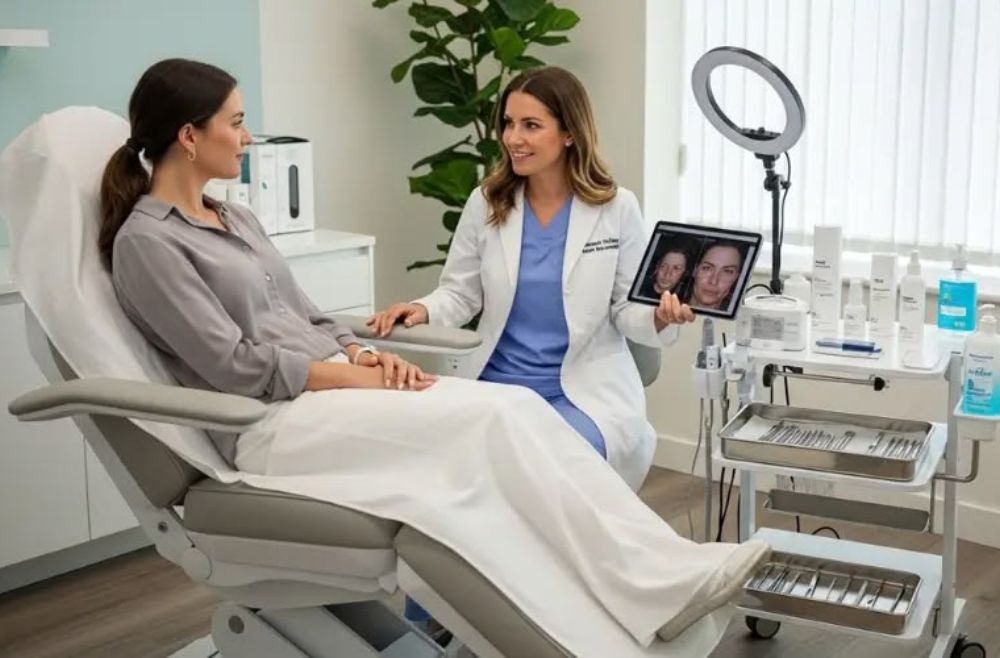
Patients may ask to see before-and-after examples of similar procedures. However, these photos are only references and should not be treated as guarantees.
When reviewing examples, consider:
- Similar Cases: Check whether the procedures and starting conditions are comparable.
- Photo Consistency: Consider whether the images are presented consistently.
- Realistic Expectations: Understand that results can vary between patients.
- Professional Explanation: The surgeon should explain the limitations of comparing different cases.
What Happens If a Revision Is Needed?
Some procedures may require additional treatment or revision due to healing, complications, changes over time, or other circumstances.
Ask the surgeon:
- How often are revisions required?
- What circumstances may lead to revision?
- When can a revision be considered?
- What costs may apply?
- How is the decision made?
Understanding this before treatment can help patients have more realistic expectations about the overall treatment process.
How Should Patients Prepare Before Surgery?
Preparation requirements can vary depending on the procedure and the patient’s circumstances.
A surgeon may provide instructions relating to:
- Medications and supplements.
- Smoking or vaping.
- Alcohol consumption.
- Food and drink before surgery.
- Medical tests.
- Arranging transportation.
- Taking time away from work.
- Preparing a suitable recovery environment.
Patients should follow the specific instructions provided by their medical team.
What Support Is Available After Surgery?
Postoperative support can be an important part of the overall patient experience. Patients should know who to contact if they have questions or concerns after treatment.
Ask:
- Is there a dedicated contact for postoperative questions?
- Who should be contacted during an emergency?
- Are follow-up consultations included?
- What happens if recovery does not progress as expected?
- How are postoperative complications handled?
Clear communication can help patients understand what support is available throughout recovery.
Conclusion
Choosing a plastic surgeon in Malaysia involves more than comparing prices or reviews. Patients should ask about qualifications, experience, risks, expected results, facilities, recovery, costs, and follow-up care.
A thorough consultation allows patients to discuss their goals, concerns, treatment options, and potential limitations. Gathering clear information can help patients set realistic expectations and make an informed decision.




Copyright © 2024 Yeoh Plastic & Reconstructive Surgery Website Developed by Dreamit Real Solutions