
How Does Breast Lift Surgery Help Improve Breast Shape?
How Does Breast Lift Surgery Help Improve Breast Shape?

Changes in breast shape are a natural part of aging, pregnancy, breastfeeding, and weight fluctuations. Over time, the skin may lose elasticity, causing the breasts to sag or appear less firm. These changes can affect breast position, overall proportions, and body confidence.
Breast lift surgery, also known as mastopexy, is a cosmetic procedure designed to improve breast shape by removing excess skin and repositioning the breast tissue and nipple. It helps create a firmer, more elevated appearance while maintaining the patient’s natural body proportions.
Understanding how the procedure works, its benefits, and the factors to consider can help individuals decide whether breast lift surgery is suitable for their goals.
1. Raises Sagging Breasts to a More Elevated Position
One of the main purposes of breast lift surgery is to address breast sagging, also known as breast ptosis. This condition occurs when the skin and supporting tissues lose firmness, causing the breasts to sit lower on the chest.
Several factors can contribute to sagging, including:
- Natural aging and reduced skin elasticity.
- Pregnancy and breastfeeding.
- Significant weight loss or fluctuations.
- Genetic factors and natural breast characteristics.
- Changes in breast volume over time.
During surgery, the surgeon removes excess skin and reshapes the underlying breast tissue. The nipple and areola may also be repositioned to create a more elevated appearance.
This helps improve breast position and restore a firmer-looking contour.
2. Improves Breast Firmness and Contour
Breast sagging can affect the overall appearance of the breasts, making them look flatter or less defined. Excess skin may also cause the lower portion of the breasts to appear stretched.
Breast lift surgery helps improve these concerns by reshaping the breast tissue and removing loose skin. The surgeon adjusts the remaining tissue to create a more supported and balanced contour.
Although the procedure does not necessarily increase breast size, it can improve the appearance of existing breast volume. The results depend on the patient’s natural tissue, skin quality, and surgical technique.
3. Repositions the Nipples and Areolas
When breasts sag, the nipples and areolas may point downward or sit below the natural breast crease. Their position can affect the overall balance and appearance of the breasts.
A breast lift can reposition the nipple and areola to a more suitable height based on the patient’s breast shape and body proportions.
The surgeon may also reduce the size of enlarged areolas if this is part of the patient’s treatment plan.
Repositioning these areas helps create a more balanced breast appearance. However, the final position and shape depend on individual anatomy and the surgical approach.
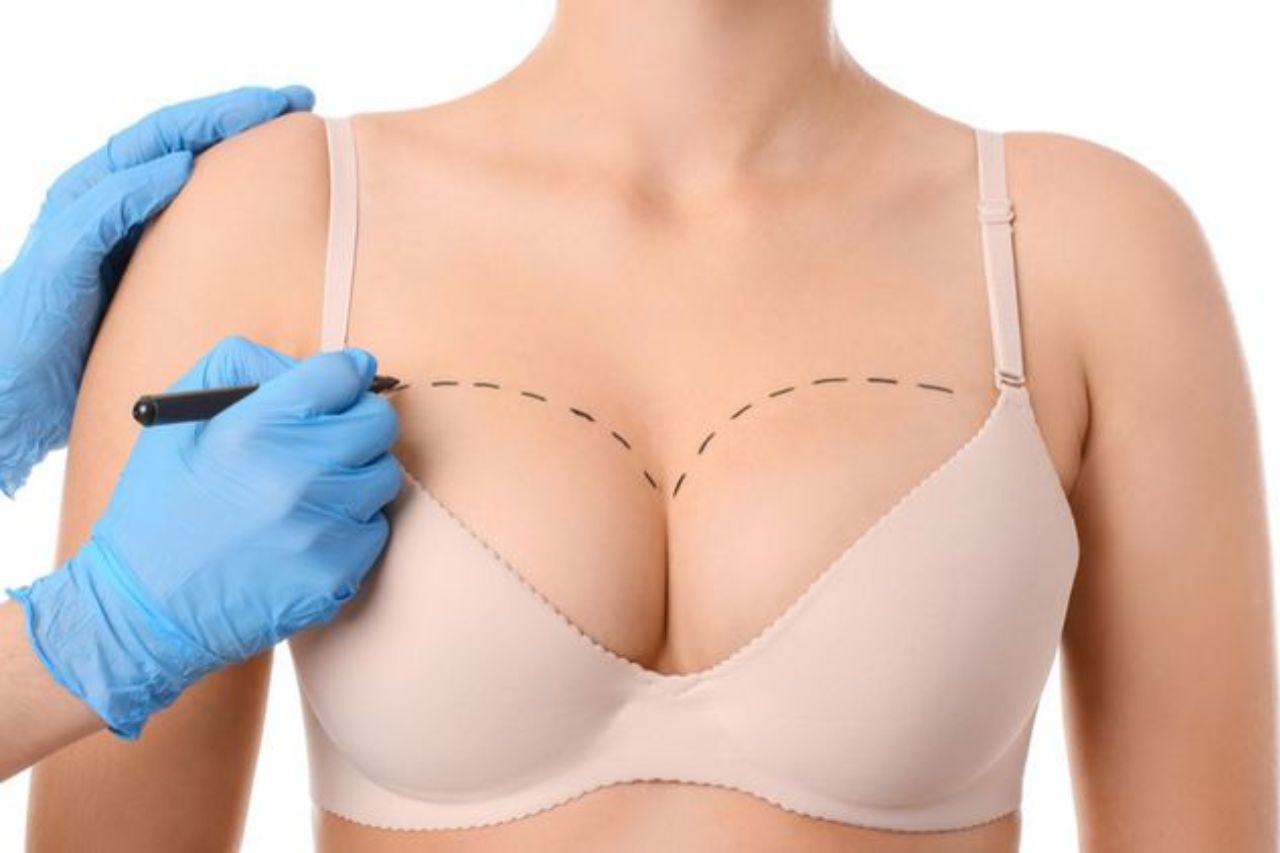
4. Creates a More Balanced Breast Appearance
Some individuals experience uneven breast sagging, where one breast sits lower than the other. Differences in breast volume, skin elasticity, and natural anatomy can contribute to this concern.
Breast lift surgery can help improve breast symmetry by adjusting the position and contour of each breast. The surgeon evaluates both sides and plans the procedure according to the patient’s existing anatomy.
While surgery can improve visible differences, perfect symmetry is not always possible. Natural variations may remain, and the outcome depends on factors such as tissue quality and healing.
5. Helps Improve Breast Shape After Pregnancy or Weight Loss
Pregnancy, breastfeeding, and significant weight changes can affect breast volume and skin elasticity. After these changes, some individuals may notice loose skin, reduced fullness, or sagging breasts.
Breast lift surgery can address excess skin and reposition the remaining breast tissue to create a firmer contour.
However, individuals considering surgery after pregnancy should allow their breasts to stabilize before undergoing treatment. Those who plan to have more children may also wish to discuss the timing with their surgeon, as future pregnancy can affect the results.
Similarly, maintaining a relatively stable weight after significant weight loss can help support longer-lasting outcomes.
6. Can Be Combined with Breast Augmentation or Reduction
Breast lift surgery improves breast position and shape but does not significantly change breast volume. Depending on individual goals, it may be combined with other procedures.
Breast lift with augmentation
For individuals with sagging breasts and reduced volume, a lift may be combined with implants to improve breast position and fullness.
Breast lift with reduction
Those with large, heavy breasts may combine a lift with breast reduction to remove excess tissue and skin while improving breast contour.
A qualified plastic surgeon can assess the patient’s needs, breast characteristics, and health to recommend a suitable treatment.
7. Supports Greater Confidence in Body Appearance
Changes in breast shape can affect how individuals feel about their appearance, particularly when clothing no longer fits as expected, or breast sagging becomes more noticeable.
By improving breast position and contour, breast lift surgery may help individuals feel more comfortable with their body proportions.
Some patients may find it easier to choose certain clothing styles or feel more confident in fitted outfits. However, cosmetic surgery should be considered based on personal goals rather than pressure from others.
It is also important to maintain realistic expectations. A breast lift can improve physical appearance, but it cannot guarantee specific emotional or psychological outcomes.
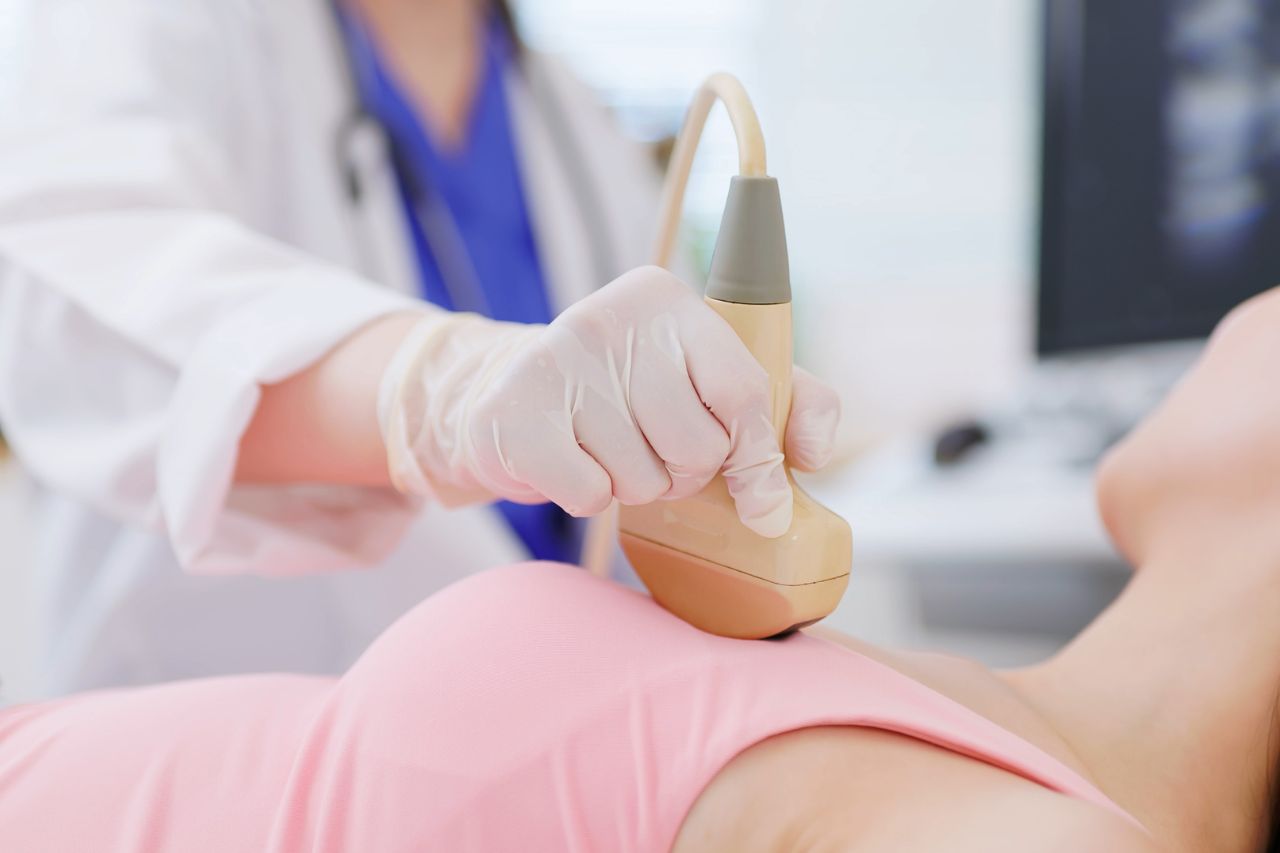
What to Expect During Breast Lift Surgery
Breast lift surgery is usually performed under general anesthesia. The technique depends on breast size, sagging severity, skin condition, and desired results.
Common techniques include:
- Crescent lift: Uses an incision along the upper edge of the areola to address mild sagging.
- Periareolar lift: Involves an incision around the areola.
- Vertical lift: Uses incisions around the areola and down toward the breast crease to address moderate sagging.
- Anchor lift: Involves incisions around the areola, vertically down the breast, and along the breast crease for more significant sagging.
The surgeon will recommend a suitable technique based on individual needs. Patients should also discuss scarring, recovery, risks, and expected results before surgery.
Recovery and Aftercare Considerations
Recovery after breast lift surgery varies depending on the surgical technique and individual healing process. Patients may experience swelling, bruising, soreness, and temporary changes in breast sensation.
Following the surgeon’s aftercare instructions is important for supporting recovery. General recommendations may include:
- Wear the recommended surgical support bra.
- Avoid strenuous exercise and heavy lifting during the initial recovery period.
- Keep incision areas clean and follow wound care instructions.
- Attend scheduled follow-up appointments.
- Report unusual pain, swelling, or signs of infection to your medical team.
Patients should allow sufficient time for swelling to settle and breast shape to stabilize. Final results may take several months to become more apparent.
Conclusion
Breast lift surgery helps improve breast shape by removing excess skin, reshaping breast tissue, and repositioning the nipples and areolas. It can address sagging, improve breast contour, and create a more elevated appearance.
However, the procedure is not suitable for everyone, and results vary based on individual anatomy, skin quality, and surgical technique. Consulting a qualified plastic surgeon is essential to understand the available options, potential risks, and expected outcomes before making a decision.




Copyright © 2024 Yeoh Plastic & Reconstructive Surgery Website Developed by Dreamit Real Solutions