
Eyebag Surgery: Understanding Different Treatment Approaches
Eyebag Surgery: Understanding Different Treatment Approaches
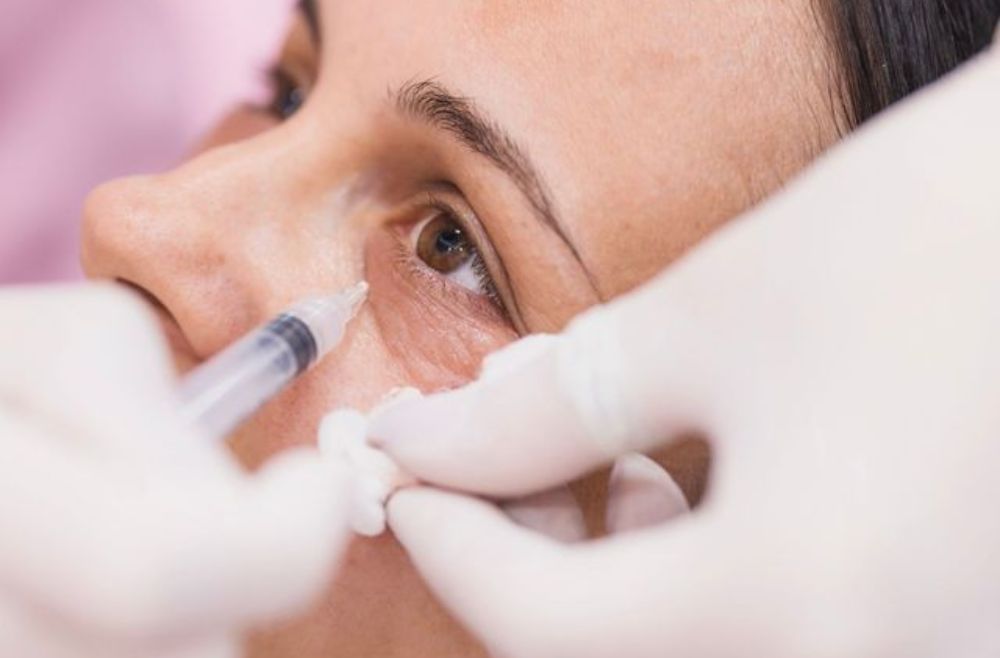
Eyebags are a common concern that can affect the appearance of the lower eyelid area. They may develop due to ageing, genetics, changes in skin elasticity, fat distribution, fluid retention, or lifestyle factors. While some people may manage their appearance with skincare or lifestyle changes, others may consider cosmetic procedures.
Eyebag surgery is one treatment for improving the appearance of prominent bags beneath the eyes. However, different patients may have different causes and characteristics, so the most suitable approach depends on individual factors. Understanding the available treatment options, surgical techniques, recovery process, and potential risks can help patients prepare for a consultation and make informed decisions.
What Causes Eyebags?
Eyebags can develop for several reasons. The appearance may become more noticeable as the skin and supporting tissues around the eyes change over time.
Common contributing factors include:
- Ageing: Skin may become thinner and less elastic over time.
- Genetics: Some people naturally have more prominent lower eyelid fat or under-eye hollows.
- Fat Protrusion: Fat beneath the eyes can become more visible as supporting tissues change.
- Fluid Retention: Temporary swelling may make the under-eye area appear puffy.
- Lifestyle Factors: Lack of sleep, allergies, and other factors may contribute to a tired-looking appearance.
- Skin Changes: Reduced skin elasticity can contribute to loose or sagging lower eyelid skin.
Understanding the underlying cause and signs of eyebag is important because not every case requires the same treatment.
What Is Eyebag Surgery?
Eyebag surgery, commonly referred to as lower eyelid surgery or lower blepharoplasty, is a cosmetic surgical procedure designed to improve the appearance of the lower eyelid area.
Depending on the patient’s needs, the procedure may address:
- Excess skin.
- Protruding fat.
- Loose lower eyelid tissue.
- Under-eye hollows.
- Changes in the lower eyelid contour.
The specific technique depends on factors such as skin condition, fat distribution, eyelid structure, and the patient’s desired outcome.
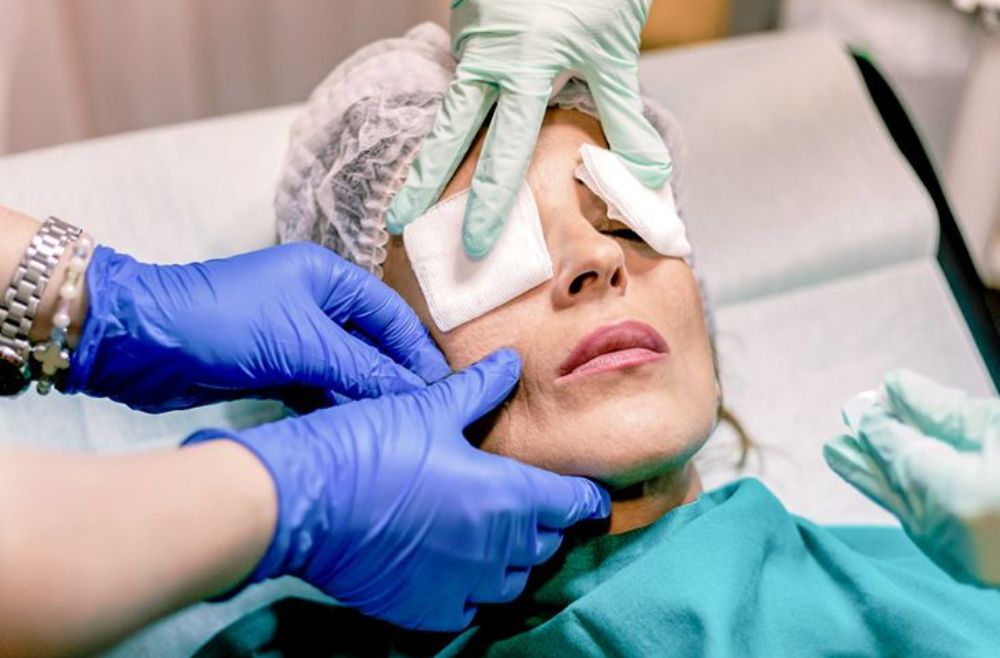
Different Eyebag Surgery Approaches
There is no single technique suitable for every patient. A surgeon may recommend a particular approach based on the condition of the lower eyelids.
1. Transconjunctival Approach
The transconjunctival approach accesses the lower eyelid through an incision made inside the eyelid. This technique may be considered when the primary concern is excess or protruding fat, and there is limited excess skin.
Potential features include:
- Incision made inside the lower eyelid.
- No external incision along the lower eyelid skin.
- Focus on addressing protruding fat.
- May be suitable for selected patients with good skin elasticity.
A qualified surgeon can determine whether this approach is appropriate based on the patient’s individual needs.
2. External or Subciliary Approach
An external approach uses an incision near the lower eyelash line and may allow the surgeon to address excess skin, fat, and other lower eyelid tissues during the same procedure.
It may be considered when patients have:
- Excess lower eyelid skin.
- Protruding fat.
- Loose or sagging tissue.
- More complex lower eyelid concerns.
The location and appearance of any incision should be discussed with the surgeon before treatment.
3. Fat Repositioning
Some patients have both prominent fat and hollows beneath the eyes. Instead of simply removing fat, a surgeon may consider repositioning existing fat to create a smoother transition between the lower eyelid and cheek.
This approach may help address the contrast between puffy areas and under-eye hollows. However, the appropriate technique depends on the patient’s anatomy and treatment goals.
4. Combination Approaches
In some cases, more than one technique may be considered. For example, a procedure may address excess skin while also treating protruding fat or under-eye hollows.
The treatment plan should be tailored to each patient’s individual anatomy rather than applying the same technique to every case.
Non-Surgical Treatment Options
Not every patient requires surgery. Depending on the cause of the under-eye concern, non-surgical treatments may be considered.
Possible approaches include:
- Skincare: Suitable products may help improve skin condition and appearance.
- Lifestyle Changes: Adequate sleep and managing factors such as allergies may help reduce temporary puffiness.
- Injectable Treatments: Certain treatments may be considered for under-eye hollows or volume concerns.
- Energy-Based Treatments: Selected technologies may target skin texture or elasticity.
Non-surgical treatments may have limitations and may not address significant excess skin or prominent fat deposits. A qualified medical professional can assess the available options.

What Happens During a Consultation?
A consultation is an important part of planning eyebag surgery. The surgeon can assess the lower eyelid area and discuss the patient’s concerns, expectations, and treatment options.
Patients may be asked about:
- Medical history.
- Previous eye or facial procedures.
- Current medications.
- Allergies.
- Eye conditions.
- Dry eye symptoms.
- Desired cosmetic changes.
The surgeon may also examine skin quality, eyelid position, fat distribution, and the relationship between the lower eyelid and cheek.
Preparing for Eyebag Surgery
Each patient may have different preparation requirements depending on the planned procedure. Patients should follow the specific instructions provided by their surgeon.
Preparation may include:
- Providing accurate medical information.
- Discussing medications and supplements.
- Reporting allergies and existing health conditions.
- Completing any recommended medical assessments.
- Arranging transportation after the procedure.
- Preparing a suitable recovery environment.
- Following instructions regarding food, drinks, or medication before surgery.
Patients should clarify any questions before the procedure so they understand the preparation and recovery requirements.
Recovery After Eyebag Surgery
Recovery can vary depending on the surgical technique and individual healing. Swelling and bruising around the eyes are common during the early recovery period.
Patients may experience:
- Swelling around the lower eyelids.
- Bruising or discolouration.
- Temporary tightness or discomfort.
- Temporary changes in sensation.
- Increased sensitivity around the treated area.
Recovery care may include cleaning the treated area, taking medication as directed, attending follow-up appointments, and avoiding restricted activities.
Patients should avoid strenuous activities until their surgeon confirms that they can safely resume them.
Potential Risks and Complications
Like other surgical procedures, Eyebag Surgery carries potential risks. Patients should discuss these risks with their surgeon before treatment.
Possible complications may include:
- Infection.
- Bleeding or excessive bruising.
- Scarring.
- Changes in sensation.
- Dry or irritated eyes.
- Asymmetry.
- Changes in eyelid position.
- Difficulty closing the eyes.
- Unsatisfactory cosmetic results.
- The need for further treatment.
The risks can vary depending on the procedure, individual anatomy, medical history, and other factors.
Conclusion
Eyebag surgery can involve different treatment approaches depending on the patient’s lower eyelid anatomy, skin condition, fat distribution, and cosmetic goals. Options may include transconjunctival surgery, external lower eyelid surgery, fat repositioning, combination approaches, or selected non-surgical treatments.
Patients considering treatment should consult a qualified medical professional to understand the available options, potential risks, recovery requirements, and expected results. A thorough consultation and realistic expectations can help patients make an informed decision about the most appropriate approach for their individual circumstances.




Copyright © 2024 Yeoh Plastic & Reconstructive Surgery Website Developed by Dreamit Real Solutions