
Everything You Should Know Before Getting Eyebag Removal Surgery
Everything You Should Know Before Getting Eyebag Removal Surgery
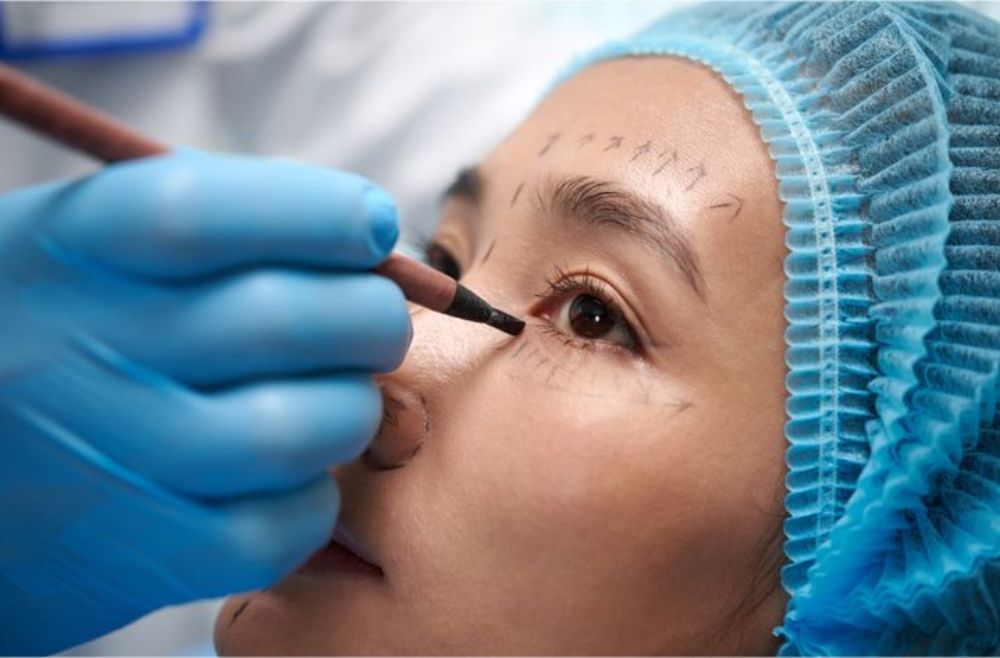
Eyebag removal surgery, commonly known as lower eyelid blepharoplasty, is a cosmetic procedure designed to reduce puffiness, sagging skin, and under-eye bags. These concerns are often caused by aging, genetics, fluid retention, or lifestyle factors such as lack of sleep and stress. While creams and non-invasive treatments may offer temporary improvement, surgery remains the most effective long-term solution for moderate to severe under-eye bags.
Before deciding to undergo this procedure, it’s important to understand how it works, who it’s for, the benefits, risks, recovery process, and what results you can realistically expect. This guide breaks down everything you need to know clearly and practically.
What Is Eyebag Removal Surgery?
Eyebag removal surgery targets the lower eyelids to remove or reposition excess fat, tighten loose skin, and smooth out under-eye hollows or puffiness. In many cases, the surgeon may also tighten and support the surrounding muscles, helping to create a smoother under-eye area and a more youthful, refreshed appearance.
There are typically two main techniques:
- Transcutaneous approach (external incision): A small incision is made just below the lower lash line to remove or adjust fat and tighten skin.
- Transconjunctival approach (internal incision): The incision is made inside the lower eyelid, leaving no visible external scar. It is often recommended for individuals whose main concern is fat protrusion without loose or sagging skin.
The choice of technique depends on your anatomy, skin quality, and desired outcome.
Who Is a Good Candidate?
Not everyone with under-eye bags needs surgery. A qualified plastic surgeon will evaluate whether your concerns are structural or temporary.
You may be a good candidate if you:
- Have persistent under-eye bags that do not improve with sleep or skincare
- Experience sagging or loose skin under the eyes
- Have a fat bulge that creates a tired or aged appearance
- Are in good general health with no serious eye conditions
- Do not smoke or are willing to stop before and after surgery
- Have realistic expectations about the results
However, if your puffiness is primarily due to allergies, sinus problems, or fluid retention, non-surgical treatments may be more suitable.
Benefits of Eyebag Removal Surgery
Many patients choose this procedure because it provides long-lasting improvement and a refreshed appearance.
Key benefits include:
- A younger, more alert appearance
- Reduction of puffiness and under-eye bags
- Smoother skin texture under the eyes
- Improved facial harmony and symmetry
- Long-lasting results compared to fillers or creams
- Boost in self-confidence and facial aesthetics
In most cases, results can last for many years, especially when combined with healthy lifestyle habits.

The Procedure: What to Expect
Eyebag removal surgery is usually performed as an outpatient procedure, meaning you can go home the same day. It typically takes 1 to 2 hours, depending on complexity.
Step-by-step process:
- Consultation and marking: The surgeon evaluates your eye structure and marks incision points.
- Anesthesia: Local anesthesia with sedation or general anesthesia is used.
- Incision: Depending on the method, the surgeon creates either an internal or external incision.
- Fat removal or repositioning: Excess fat is removed or redistributed to smooth the under-eye area.
- Skin tightening: If needed, excess skin is trimmed, and the remaining skin is tightened.
- Closing the incision: Sutures are used for external incisions; internal ones may not require stitches.
Recovery Process
Recovery plays a major role in achieving the best results. While healing varies from person to person, most patients follow a similar timeline.
First few days:
- Swelling and bruising around the eyes
- Mild discomfort or tightness
- A cold compress is recommended to reduce swelling
- Rest with head elevated
First week:
- Bruising begins to fade
- Stitches (if any) are removed after 5–7 days
- Most patients can return to light activities
2–4 weeks:
- Swelling significantly improves
- Makeup can often be applied after doctor approval
- Normal routines resume
Full recovery:
- Final results become visible after 1–3 months
- Subtle healing continues for up to 6 months
Risks and Possible Side Effects
Like any surgical procedure, eyebag removal surgery carries potential risks. Although complications are rare when performed by an experienced surgeon, you should still be aware of them.
Possible risks include:
- Swelling and bruising
- Dry or irritated eyes
- Temporary blurred vision
- Infection or bleeding
- Scarring (usually minimal and well-hidden)
- Asymmetry in results
- Overcorrection or undercorrection
Choosing a certified and experienced surgeon significantly reduces these risks.
How to Prepare for Surgery
Proper preparation helps ensure a smooth procedure and recovery.
Before surgery, you may be advised to:
- Avoid blood-thinning medications like aspirin or ibuprofen
- Stop smoking at least 2–4 weeks before surgery
- Avoid alcohol before the procedure
- Arrange for someone to drive you home
- Prepare cold compresses and recovery supplies
- Follow fasting instructions if general anesthesia is used
Your surgeon will provide a personalized checklist based on your health condition.

Aftercare Tips for Best Results
Post-surgery care is essential for reducing complications and improving healing.
Here are important aftercare tips:
- Apply cold compresses during the first 48 hours
- Keep your head elevated while sleeping
- Avoid strenuous activities for at least 2 weeks
- Do not rub or press on your eyes
- Use prescribed eye drops or ointments if given
- Wear sunglasses when outdoors to protect sensitive skin
- Attend all follow-up appointments
Following these instructions helps minimize swelling and ensures optimal healing.
Cost of Eyebag Removal Surgery
The cost of eyebag removal surgery varies depending on location, surgeon experience, and the complexity of the procedure. Other factors that influence price include anesthesia fees, hospital charges, and post-operative care.
Although the cost may seem high, many patients feel it is justified by the lasting and visible enhancement in their appearance.
Common Myths About Eyebag Surgery
There are several misconceptions about this procedure:
- Myth: It leaves obvious scars
- Reality: Incisions are strategically placed and usually invisible after healing.
- Myth: It changes your eye shape
- Reality: The goal is to enhance natural appearance, not alter identity.
- Myth: Results are temporary
- Reality: Results are long-lasting, often lasting many years.
- Myth: It is extremely painful
- Reality: Most patients report only mild discomfort during recovery.
Final Thoughts
Eyebag removal surgery is a highly effective solution for individuals struggling with persistent under-eye bags and tired-looking eyes. When performed by a skilled surgeon, it can deliver natural, youthful, and long-lasting results.
However, it is still a surgical procedure that requires careful consideration. Understanding the process, risks, recovery, and expectations will help you make an informed decision.
If you are considering this procedure, the best next step is to consult with a qualified specialist who can assess your needs and recommend the most suitable approach for your facial structure and aesthetic goals.