
Cosmetic Surgery Malaysia: Liposuction vs Other Fat Reduction Options
Cosmetic Surgery Malaysia: Liposuction vs Other Fat Reduction Options
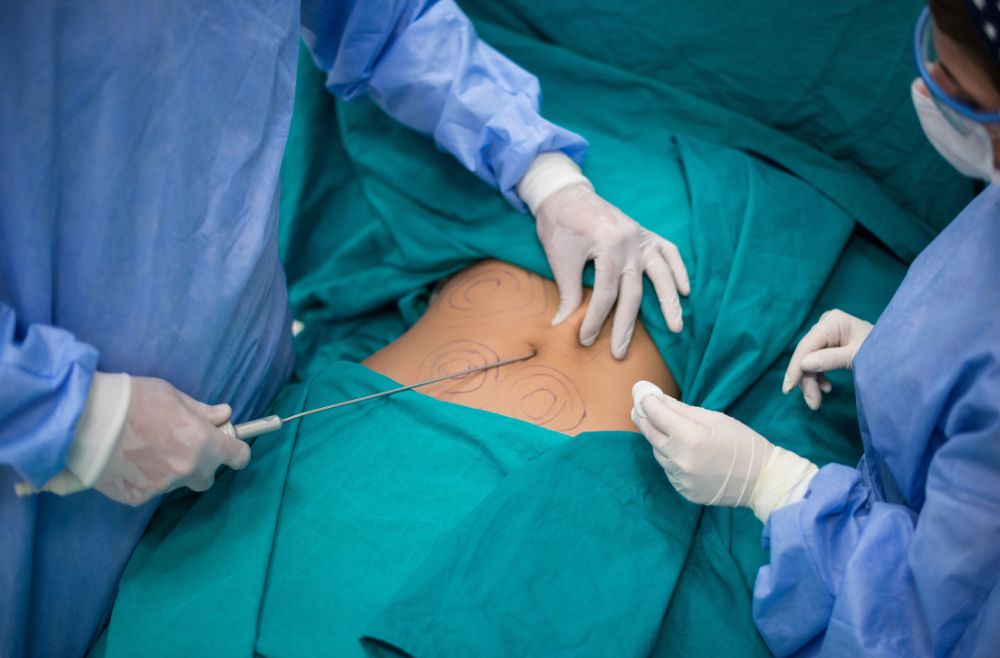
For many people, losing weight is only part of the journey toward feeling comfortable in their body. Even with regular exercise and a balanced diet, certain areas can hold onto stubborn pockets of fat. The abdomen, thighs, arms, hips, back, and chin are common examples. This is why body contouring treatments have become an option for people who want to improve the shape of a particular area.
When researching cosmetic surgery Malaysia: liposuction is likely to appear alongside several non-surgical fat reduction treatments. Although these options may have a similar goal, they do not work in the same way. Understanding the differences can make it easier to have a useful conversation with a doctor and decide what may suit your personal goals.
What Is Liposuction?
Liposuction is a surgical body contouring procedure designed to remove unwanted fat from selected areas. Rather than relying on the body to gradually reduce fat through an external treatment, the procedure removes fat directly from the treatment area.
It is important to understand that liposuction is not intended to replace healthy weight management. It is generally considered for people who are already relatively close to their desired weight but have localised areas that are difficult to change through lifestyle habits alone.
Depending on the individual’s needs, areas that may be considered include:
- Abdomen and waist
- Thighs and hips
- Upper arms
- Back
- Chin and neck area
The exact approach, treatment area, and expected outcome should always be discussed during a medical consultation.
What Other Fat Reduction Options Are Available?
Not everyone wants surgery, and that is where non-surgical body contouring treatments may come into the discussion. These treatments use different technologies to target fat without physically removing it through an operation.
Some options include cryolipolysis, commonly known as fat freezing, as well as treatments using radiofrequency or ultrasound energy. The way each technology works is different, and the expected results can also vary.
Non-surgical treatments may appeal to people who prefer little or no downtime. However, that does not mean they are automatically suitable for everyone. The number of sessions, treatment area, amount of localised fat, and individual response can all affect the outcome.
Liposuction vs Non-Surgical Fat Reduction
The biggest difference is how the fat is addressed. With liposuction surgery, fat is physically removed from a selected area. Non-surgical treatments generally aim to reduce targeted fat gradually through controlled energy or cooling technologies.
That difference can influence the treatment experience. Liposuction involves a surgical procedure and recovery period, while many non-surgical treatments are performed without an operation and may allow patients to return to their normal routine sooner.
However, asking which option is “better” can be misleading. A person looking for more substantial contouring may have different needs from someone with a small, localised area who wants minimal interruption to daily life.
Which Areas Can Be Treated?
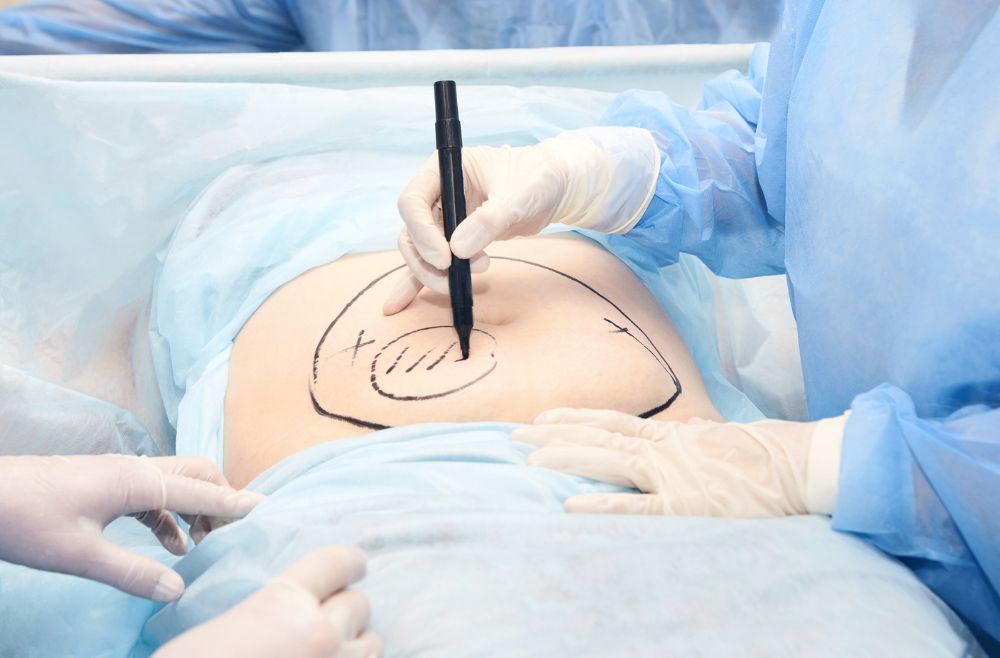
The best option can depend heavily on where the unwanted fat is located. The abdomen, thighs, hips, arms, back, and chin may all be considered for treatment, depending on the person’s anatomy, skin elasticity, amount of fat, and goals. Smaller areas such as the chin may require a particularly careful approach.
How Much Difference Can You Expect?
Cosmetic treatments do not produce identical results for everyone. Two people may undergo the same treatment and experience different outcomes.
Several factors can influence the result:
- The amount and location of localised fat
- Skin elasticity
- Body shape and proportions
- The treatment method used
- Individual healing and response
Liposuction can create a noticeable change in body contours because the targeted fat is removed during the procedure. Non-surgical treatments tend to produce a more gradual change, and some people may require more than one session.
What About Recovery and Downtime?
Recovery is another important difference between surgical and non-surgical options. After liposuction, patients may experience swelling, bruising, tenderness, and temporary changes in the treated area. Depending on the procedure and individual recovery, normal activities may need to be adjusted for a period of time.
Aftercare may include compression garments or follow-up appointments. Recovery varies, so patients should follow professional instructions rather than compare their progress with someone else’s experience.
Non-surgical treatments generally involve less downtime, although temporary redness, swelling, tenderness, or sensitivity can occur depending on the technology used. “Non-surgical” should not be taken to mean completely risk-free.
What Are the Safety Considerations?
Any cosmetic procedure deserves careful consideration. Surgical procedures carry risks associated with surgery, while non-surgical treatments can also cause side effects or complications.
Before proceeding, discuss your medical history, medications, previous procedures, allergies, expectations, and follow-up care with the treating professional.
Choosing a qualified plastic surgeon is particularly important when considering a surgical procedure. Patients should look for appropriate credentials, relevant experience, a proper clinical setting, and clear communication about both benefits and risks.
How Do You Choose the Right Option?
There is no universal answer. Instead, think about what matters most to you and discuss those priorities during a consultation.
You may want to consider:
- Your goal: Are you addressing a small pocket of fat or seeking more noticeable contouring?
- Your preferred approach: Are you comfortable with surgery, or would you rather explore non-surgical treatment?
- Your schedule: How much recovery time can you realistically accommodate?
- Your expectations: Are you looking for subtle improvement or a more significant change?
- Your treatment area: Does the area require a particular technique?
Price can influence a decision, but it should not be the only factor. Safety, professional experience, treatment suitability, and aftercare deserve equal attention.
Why a Personal Consultation Matters
Online research is useful for learning the basics, but it cannot determine which procedure is appropriate for your body. A consultation allows a medical professional to assess the area and understand your goals.
Use the appointment to ask about preparation, recovery, risks, expected results, and follow-up care.
Conclusion
Liposuction and non-surgical fat reduction treatments may all be used for body contouring, but they approach the goal differently. Liposuction physically removes targeted fat, while non-surgical options generally work more gradually without surgical removal.
The right choice depends on your body, goals, treatment area, expectations, and willingness to undergo surgery or recovery. Instead of choosing a procedure simply because it is popular, take time to understand how it works and speak with an appropriately qualified medical professional.
A careful consultation can help you weigh the benefits, limitations, risks, and practical considerations before moving forward. The best option is the one that is most appropriate for your individual needs and discussed openly with a trusted professional.