
How to Choose the Right Eyebag Removal Treatment
How to Choose the Right Eyebag Removal Treatment
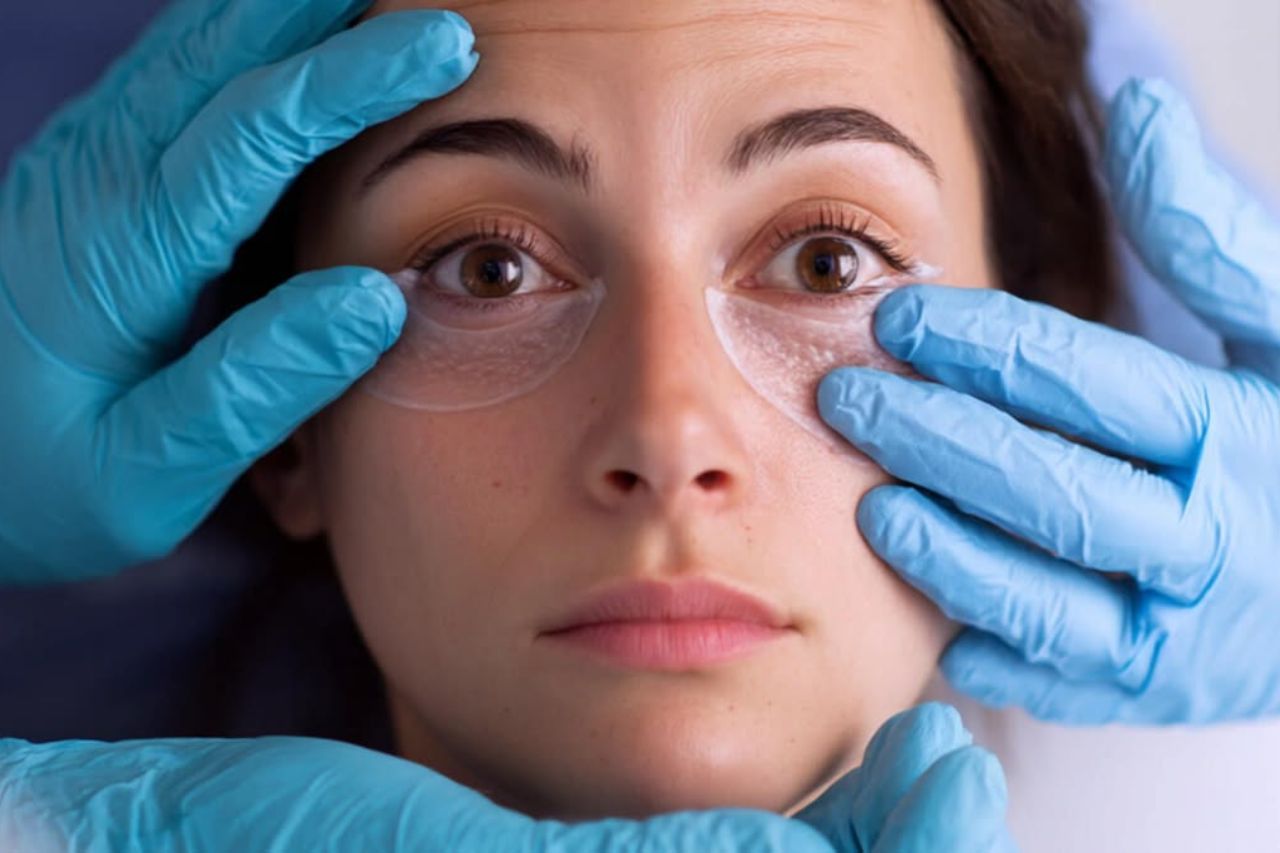
Eyebags can make the face appear tired or older, even after getting enough rest. They may develop due to aging, genetics, fluid retention, allergies, or lifestyle habits. As the skin around the eyes loses elasticity, excess fat and loose skin can become more noticeable, creating a puffy appearance.
While mild eyebags may improve with skincare and lifestyle changes, more prominent cases may require professional treatment. Choosing the right eyebag removal treatment depends on the cause, severity, skin condition, and desired results.
Understanding the available options can help individuals make informed decisions and find a suitable approach with guidance from a qualified medical professional.
1. Identify the Cause of Your Eyebags
Before choosing a treatment, it is important to understand why eyebags have developed. Different causes may require different approaches.
Common factors include:
- Aging: The skin gradually loses elasticity, while supporting tissues and muscles around the eyes may weaken.
- Genetics: Some individuals naturally have prominent under-eye bags due to inherited facial features.
- Fluid retention: The body may retain excess fluid around the under-eye area, resulting in swelling due to dietary habits, lack of rest, or changes in fluid balance.
- Allergies: Allergic reactions can cause inflammation and swelling around the eyes.
- Lifestyle habits: Smoking, insufficient sleep, and certain daily habits may contribute to a tired-looking appearance.
Identifying the cause helps determine whether non-surgical care or a medical procedure may be more suitable.
2. Consider Non-Surgical Eyebag Treatments First
Not all eyebags require surgery. Mild puffiness caused by fluid retention or temporary swelling may improve with simple lifestyle changes and skincare.
Some options include:
- Cold compresses: Applying a cool compress may temporarily reduce swelling around the eyes.
- Adequate sleep: Maintaining a regular sleep schedule can help minimize puffiness associated with poor sleep.
- Reducing salt intake: Managing sodium consumption may help reduce fluid retention.
- Eye creams: Products containing ingredients such as caffeine may temporarily improve the appearance of mild puffiness.
- Allergy management: Addressing underlying allergies may help reduce inflammation around the eyes.
These methods may help with temporary swelling but cannot remove prominent fat deposits or significant excess skin. If eyebags remain noticeable, a professional assessment may help identify other treatment options.
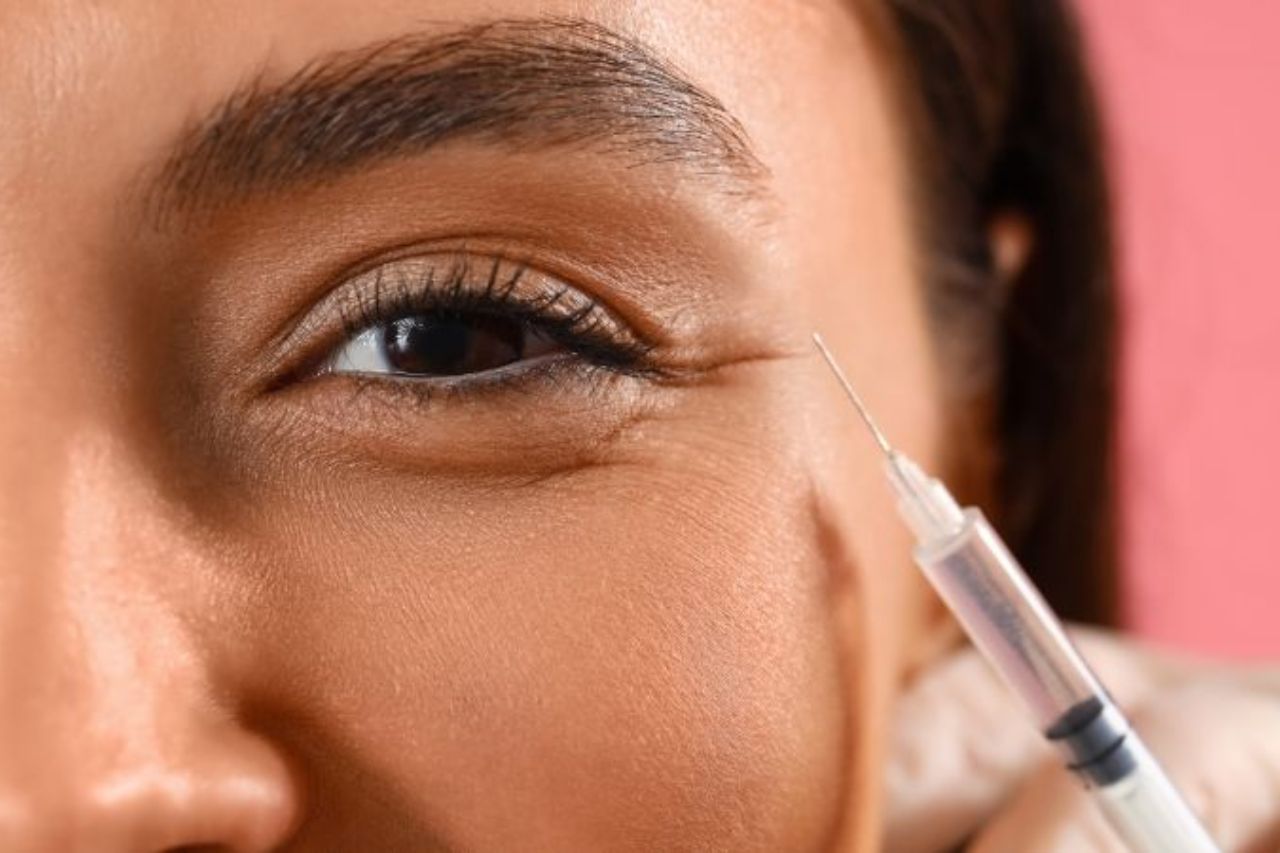
3. Understand the Different Eyebag Removal Procedures
For more prominent eyebags, medical or surgical treatments may provide more noticeable improvements. The appropriate option depends on the cause and condition of the under-eye area.
Lower Eyelid Surgery (Blepharoplasty)
Lower eyelid surgery is a common procedure for addressing prominent eye bags caused by fat deposits and excess skin. The surgeon may remove or reposition fat and tighten loose skin to create a smoother under-eye contour.
Fat Repositioning
In some cases, the surgeon may reposition existing fat rather than remove it completely. This approach can help reduce the appearance of under-eye bags while improving the transition between the lower eyelid and cheek.
Non-Surgical Treatments
Certain non-surgical procedures may help improve selected under-eye concerns, such as skin texture or mild wrinkles. Options may include laser treatments or other skin-rejuvenation procedures. However, these treatments do not provide the same results as surgery when prominent fat deposits are the main cause.
A qualified medical professional can explain which treatments are appropriate based on individual needs.
4. Assess the Severity of Your Eyebags
The severity of eyebags is another important factor when selecting a treatment.
Individuals with mild puffiness may benefit from lifestyle adjustments or suitable skincare products. Those with more noticeable fat bulges may require a medical procedure to achieve their desired appearance.
Excess skin and wrinkles can also influence treatment decisions. For example, someone with loose lower eyelid skin may require a different approach from someone whose main concern is fat protrusion.
A proper assessment helps determine the extent of treatment required and whether surgery is likely to provide meaningful improvements.
5. Consider Your Skin Condition and Age
The condition and firmness of the skin can influence which eyebag removal procedure is most suitable. Younger individuals with good skin elasticity may have different treatment needs from older patients experiencing loose skin and changes in supporting tissues.
As the skin ages, collagen production decreases, and the under-eye area may become thinner. This can make eyebags, wrinkles, and skin laxity more noticeable.
A surgeon will assess skin quality, muscle condition, fat distribution, and eyelid support before recommending a procedure.
Age alone does not determine whether someone is suitable for treatment. Overall health, medical history, and individual anatomy are also important considerations.
6. Choose a Qualified and Experienced Surgeon
Choosing the right medical professional is essential when considering eyebag removal surgery. The lower eyelid area is delicate, so treatment requires a good understanding of facial anatomy and surgical techniques.
Before selecting a surgeon, consider the following:
- Qualifications: Check the surgeon’s relevant medical qualifications and credentials.
- Experience: Look for experience in eyelid procedures and facial cosmetic surgery.
- Treatment approach: Ensure the surgeon explains the available options based on your condition.
- Consultation: Choose a professional who takes time to assess your concerns and discuss realistic outcomes.
- Safety: Confirm that the procedure will be performed in an appropriate medical facility.
You should also ask about possible complications, recovery requirements, and follow-up care before making a decision.

7. Understand the Risks and Recovery Process
Every medical procedure involves potential risks. Eyebag removal surgery may cause temporary swelling, bruising, discomfort, or changes in sensation around the eyes.
Other possible complications include infection, bleeding, dry eyes, scarring, and changes in eyelid position. Although uncommon, more serious complications can occur.
Recovery time varies depending on the surgical technique and individual healing process. Patients may need to avoid strenuous activities and follow specific aftercare instructions during recovery.
Before treatment, discuss the expected recovery period, potential side effects, and warning signs that require medical attention.
8. Set Realistic Expectations and Consider Your Budget
The right treatment should match your appearance goals, medical needs, and financial considerations. Surgical procedures may involve higher initial costs but can provide longer-lasting improvements than temporary skincare solutions.
However, results vary, and no treatment can stop the natural aging process. Some individuals may continue to experience changes around the eyes over time.
During your consultation, ask for a clear explanation of the treatment plan, total costs, follow-up appointments, and any additional expenses. Avoid choosing a procedure based only on the lowest price.
Conclusion
Choosing the right eyebag removal treatment requires understanding the cause of the problem, assessing its severity, and considering suitable medical options. While lifestyle changes and skincare may help with mild puffiness, prominent eyebags caused by fat deposits or excess skin may require professional treatment.
Consulting a qualified and experienced surgeon can help you understand the available procedures, potential risks, and expected results. A personalized treatment plan is important for achieving a natural-looking outcome while prioritizing safety.




Copyright © 2024 Yeoh Plastic & Reconstructive Surgery Website Developed by Dreamit Real Solutions