
Preparing for Cosmetic Surgery Tummy Tuck: A Complete Patient Guide
Preparing for Cosmetic Surgery Tummy Tuck: A Complete Patient Guide
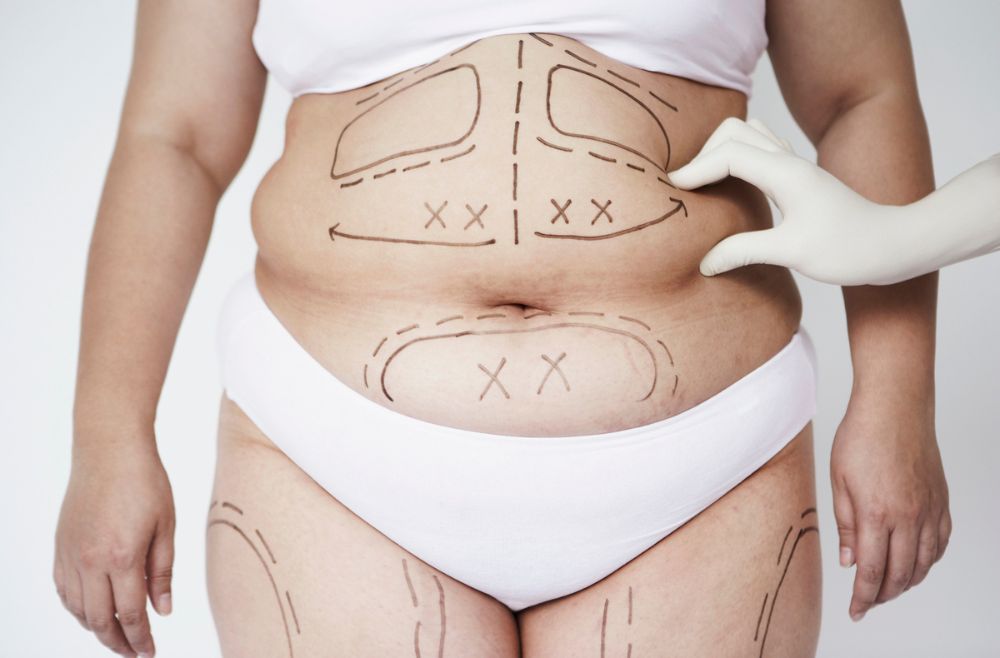
A tummy tuck, also known as abdominoplasty, is a popular cosmetic surgery procedure designed to improve the appearance of the abdomen by removing excess skin and tightening weakened abdominal muscles. Many individuals consider a cosmetic surgery tummy tuck to achieve a firmer and smoother abdominal contour, especially after significant weight changes, pregnancy, or aging.
While a tummy tuck can provide noticeable improvements, proper preparation is essential for a safe procedure and smoother recovery. Understanding the process, preparing physically and mentally, and choosing the right medical professional can help patients feel more confident throughout their cosmetic surgery journey.
Understanding Cosmetic Surgery Tummy Tuck
A tummy tuck is designed to refine the abdominal area by improving skin tightness, muscle tone, and overall body proportions. Unlike weight-loss procedures, a tummy tuck is not designed to remove large amounts of fat or replace a healthy lifestyle. Instead, it helps address concerns such as loose skin, stretched abdominal muscles, and changes in body shape.
The procedure may involve:
- Removing excess abdominal skin
- Tightening separated or weakened muscles
- Improving abdominal firmness
- Creating a smoother waistline
- Enhancing overall body proportions
Patients considering a cosmetic surgery tummy tuck should have realistic expectations and understand that results vary depending on individual conditions, body structure, and healing processes.
Determine Whether You Are a Suitable Candidate
Before preparing for a tummy tuck, patients should first determine whether the procedure is suitable for their goals and health condition. A consultation with a qualified cosmetic surgeon is an important step in evaluating suitability.
Generally, suitable candidates may include individuals who:
- Have excess abdominal skin
- Experience loose abdominal muscles
- Have maintained a stable weight
- Are in good overall health
- Have realistic expectations
- Are committed to maintaining a healthy lifestyle
A tummy tuck may be suitable for individuals who have experienced changes after pregnancy, significant weight loss, or natural aging. However, patients should discuss their medical history and expectations with their surgeon before deciding on the procedure.
Choose an Experienced Cosmetic Surgeon
Selecting a qualified and experienced surgeon is one of the most important steps when preparing for a cosmetic surgery tummy tuck. The surgeon’s skills and expertise can significantly influence the safety of the procedure and the quality of the results.
When choosing a surgeon, patients should consider:
- Professional qualifications
- Experience performing tummy tuck procedures
- Previous patient outcomes
- Surgical techniques used
- Communication style during consultation
An experienced surgeon will assess the patient’s abdominal condition, explain suitable options, and provide realistic expectations about the results.

Schedule a Detailed Consultation
A thorough consultation allows patients to understand every aspect of the tummy tuck procedure before making a decision. During the consultation, patients should openly discuss their goals, concerns, and expectations.
The consultation may include:
- Assessment of abdominal shape and skin condition
- Discussion of desired results
- Explanation of surgical techniques
- Review of possible risks
- Recovery planning
- Post-surgery care instructions
Patients should use this opportunity to ask questions and ensure they fully understand the procedure. Clear communication between the patient and surgeon helps create a more comfortable and informed experience.
Understand the Different Tummy Tuck Techniques
Not all tummy tuck procedures are the same. The most suitable technique depends on the amount of excess skin, muscle condition, and individual goals.
Common tummy tuck approaches include:
Full Tummy Tuck
A full tummy tuck addresses the entire abdominal area and is often suitable for individuals with more significant skin laxity or muscle separation.
Mini Tummy Tuck
A mini tummy tuck primarily targets the lower abdomen and may be suitable for patients with mild excess skin and less extensive abdominal concerns.
Extended Tummy Tuck
An extended tummy tuck provides more comprehensive contouring by targeting excess skin and tissue across the abdomen, flanks, and waist areas.
A surgeon will recommend the most suitable approach based on the patient’s anatomy and desired outcome.
Prepare Physically Before Surgery
Proper physical preparation can support a smoother surgical experience and recovery process. Patients should follow their surgeon’s instructions carefully before the procedure.
Important preparation steps may include:
- Maintaining a healthy diet
- Staying physically active
- Avoiding smoking
- Limiting alcohol consumption
- Managing existing health conditions
- Following medication instructions
A healthy body can support better healing and reduce potential complications.
Plan Your Recovery Period
Recovery planning is an important part of preparing for a cosmetic surgery tummy tuck. Patients should arrange sufficient time to rest and avoid strenuous activities during the initial healing period.
Before surgery, consider preparing:
- Comfortable clothing
- A suitable resting area
- Assistance with daily activities
- Transportation after surgery
- Necessary medications and supplies
Patients may experience swelling, discomfort, and limited movement during the early recovery stage. Following post-surgery instructions helps promote proper healing.
Understand Post-Surgery Care
After a tummy tuck, proper aftercare plays an important role in achieving the best possible results. Patients should carefully follow their surgeon’s guidance throughout recovery.
Post-surgery care may include:
- Keeping the surgical area clean
- Wearing compression garments if recommended
- Attending follow-up appointments
- Avoiding heavy lifting
- Taking prescribed medication
- Monitoring healing progress
Regular follow-up visits allow the surgeon to check recovery progress and address any concerns.

Maintain Realistic Expectations
Having realistic expectations is essential before undergoing a cosmetic surgery tummy tuck. While the procedure provides noticeable improvements to abdominal contours, it cannot stop the natural aging process or prevent future changes in body shape.
Patients should understand that:
- Results develop gradually during recovery
- Swelling may take time to decrease
- Scarring is part of the healing process
- Individual results may vary
A successful tummy tuck aims to create natural-looking improvements that match the patient’s body shape and goals.
Consider the Risks and Safety Factors
Like any surgical procedure, a tummy tuck involves certain risks. Understanding these risks helps patients make informed decisions.
Possible considerations include:
- Infection
- Bleeding
- Scarring
- Changes in sensation
- Recovery challenges
- Temporary swelling
Choosing a reputable clinic with qualified medical professionals and strict safety standards can help minimize potential risks and support a safer surgical experience.
Maintain Results After a Tummy Tuck
Maintaining the results of a tummy tuck requires ongoing healthy habits. While the results of a tummy tuck can be long-lasting, major weight changes may alter the abdominal appearance and impact the overall outcome.
Patients can support their results by:
- Maintaining a balanced diet
- Exercising regularly
- Keeping a stable weight
- Following medical advice
- Practicing healthy lifestyle habits
Long-term care helps preserve the improved abdominal contours achieved through surgery.
Conclusion
Preparing for a cosmetic surgery tummy tuck involves more than scheduling a procedure. Patients should carefully consider their goals, choose an experienced surgeon, understand the process, and prepare for recovery to achieve the best possible experience.
A tummy tuck can help improve abdominal contours by addressing excess skin and weakened muscles, but successful results depend on proper planning, realistic expectations, and responsible aftercare. By making informed decisions and prioritizing safety, patients can approach their cosmetic surgery journey with greater confidence and peace of mind.