
7 Things to Know Before Considering a Breast Lift
7 Things to Know Before Considering a Breast Lift
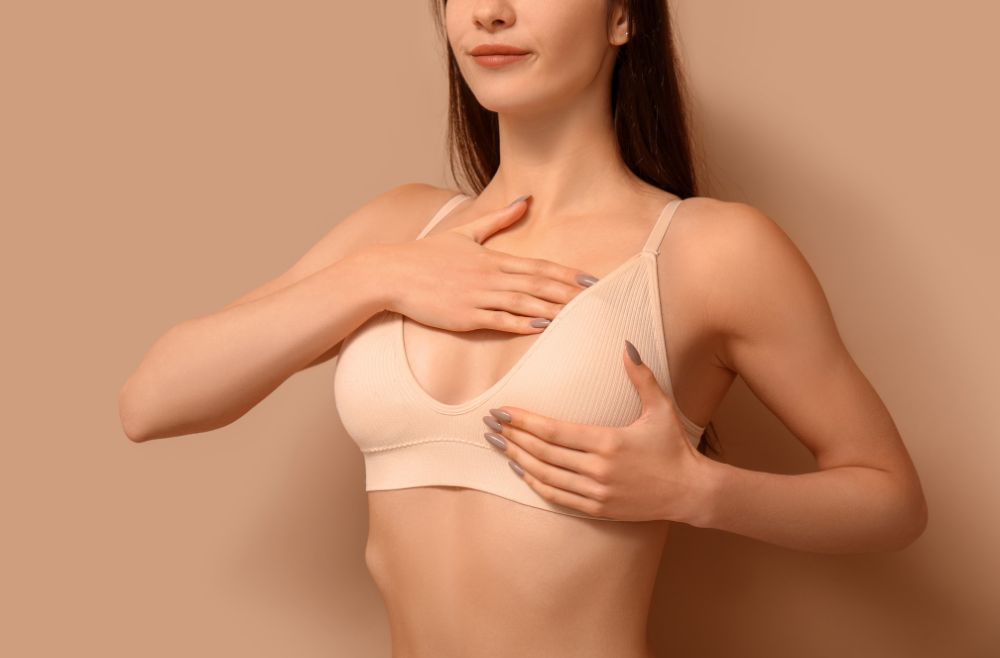
A change in breast shape is a normal part of ageing, pregnancy, breastfeeding, weight changes, and other life stages. For some women, these changes may lead to sagging, loss of firmness, or a lower breast position. A breast lift is one option that may help reshape and reposition the breasts when these changes become a personal concern.
Before considering surgery, however, it is useful to understand what the procedure can and cannot do. Knowing what to expect can make consultations more productive and help you think carefully about your goals. Here are seven things worth knowing before making a decision.
1. Understand What a Breast Lift Actually Does
A breast lift, medically known as mastopexy, is designed to raise and reshape breasts that have become less firm or have changed position. During the procedure, a surgeon may remove excess skin, reshape existing breast tissue, and reposition the nipple and areola.
One important point is that a breast lift is mainly about shape and position rather than adding volume. It does not usually make the breasts significantly larger. If more fullness is desired, a surgeon may discuss whether combining a lift with implants or another approach is appropriate.
This distinction helps set realistic expectations. The goal is generally to create a more elevated and balanced breast shape based on existing anatomy.
2. Know Why You Are Considering the Procedure
There is no single reason why someone may consider a breast lift. Some women notice changes after pregnancy and breastfeeding, while others experience sagging following significant weight loss. Age-related changes can also affect skin elasticity and breast position.
Before booking surgery, consider what you would like to change. Your concerns might include:
- Breasts that appear lower than before
- Nipples pointing downward or sitting lower on the breast
- Loose or stretched skin
- Changes in breast shape after pregnancy
- A difference in the position or appearance of the breasts
Being clear about your concerns can make communication with your surgeon easier. Surgery also cannot create an exact copy of another person’s body. Your natural anatomy will influence the final result.

3. Your Weight and Lifestyle Can Affect the Results
Your body may continue to change after surgery, so lifestyle and weight stability are worth considering. Major weight gain or loss can alter breast tissue and skin, potentially changing the shape achieved through surgery.
If you are planning significant weight loss, discuss timing with a professional surgeon. Future pregnancy can also affect the breasts again, even after a successful lift.
Lifestyle factors also matter. Smoking can interfere with wound healing and increase certain surgical risks. Your surgeon may ask about smoking, alcohol use, medications, supplements, and your general health during the consultation. These details help the medical team plan the procedure safely.
4. Breast Lift Techniques Can Vary
Not every breast lift is performed in exactly the same way. The technique and incision pattern may depend on the amount of sagging, breast size, skin quality, nipple position, and the changes you want to achieve.
Common incision patterns include:
- An incision around the edge of the areola
- An incision around the areola with a vertical line downward
- An anchor-shaped pattern that also includes a horizontal incision beneath the breast
A surgeon may recommend one approach based on your individual anatomy. The technique can also influence where scars will be located and how much skin can be removed.
Online photographs should therefore be treated as general references, not promises. Similar requests can require different approaches.
5. Recovery Takes Time
Recovery should not be treated as something that happens overnight. Swelling, bruising, tightness, and temporary discomfort can occur, although each person’s experience differs.
Your surgeon will provide instructions about wound care, medication, supportive garments, sleeping positions, exercise, and returning to normal activities. Following them carefully supports recovery.
You may also need practical support, such as time away from work, avoiding strenuous exercise, or having someone available to help during the first few days.
The breasts can look different as swelling settles, so the final appearance is a process rather than an immediate result.
6. Scars Are Part of the Procedure
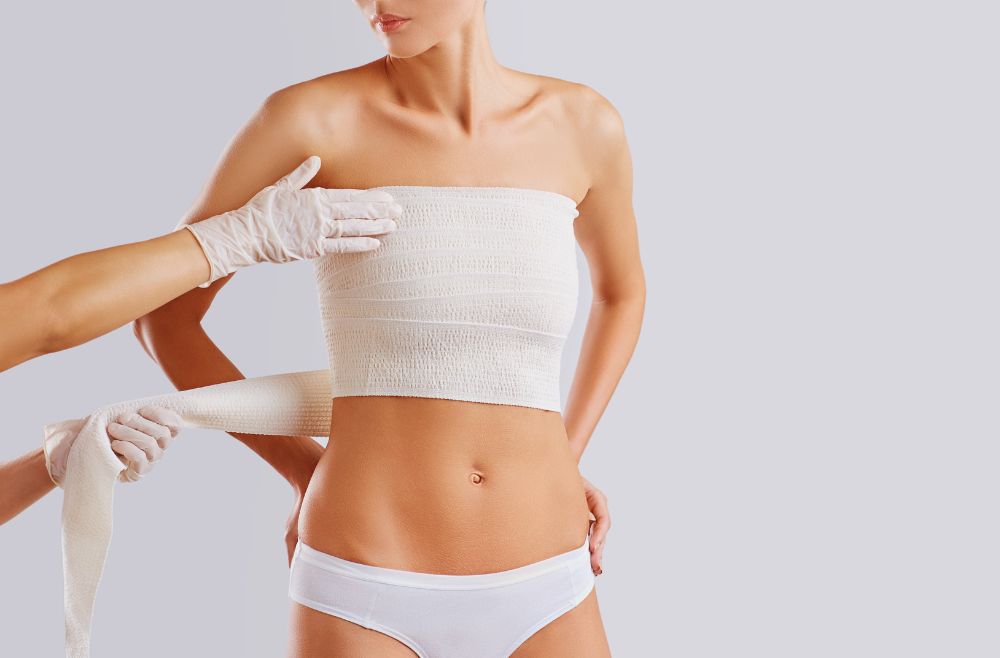
Because a breast lift involves incisions, scars are an expected part of the process. Their location and length depend on the technique used, while their eventual appearance can be influenced by factors such as genetics, skin characteristics, healing, and aftercare.
Scars usually change over time and may become less noticeable as they mature, but they do not necessarily disappear completely. During a consultation, ask your surgeon where the incisions are likely to be placed and what type of scarring may be expected for your situation.
If scar appearance is a major concern, discuss it before surgery. Understanding scars can help you prepare for recovery.
7. Choosing the Right Surgeon and Consultation Matters
A consultation is an opportunity to discuss your goals, medical history, expectations, and options. If you are researching cosmetic surgery breast lift procedures, look for a properly qualified medical professional who can assess your needs rather than relying on photographs or online descriptions.
Consider asking questions such as:
- Which technique would you recommend for my anatomy, and why?
- Where would the incisions be placed?
- What should I expect during recovery?
- What are the possible risks and complications?
- How could future pregnancy or weight changes affect the result?
- What follow-up care will be provided?
You can also ask to see examples of previous work where appropriate and discuss realistic outcomes. A consultation should help you understand the potential benefits and limitations.
Another consideration is whether your expectations match the reason you are seeking surgery. For example, someone mainly concerned about lost volume may need a different discussion from someone concerned about loose skin. Bringing reference photos can help explain the shape you have in mind, but your surgeon should explain how your anatomy affects what can be achieved. Clear communication before surgery can reduce misunderstandings and help you feel more prepared.
Making an Informed Decision
Considering a breast lift involves more than wanting a higher or firmer breast shape. It means understanding the procedure, your reasons, available techniques, recovery, scarring, and the importance of professional assessment.
There is no need to rush the decision. Take time to discuss your concerns, ask questions, and understand what is involved before committing to surgery.
Approach the process with realistic expectations. A breast lift can change breast position and shape, but results vary. Your surgeon can explain what may be achievable based on your anatomy, health, and goals.